Welsh translation
Welsh is one of the oldest living languages in Europe and the only Celtic language in the UK with full official status. Spoken today by more than half a million people, it is a living, growing language of public life, education, broadcasting and business in Wales, and it has legal protection that affects how organisations in Wales and across the UK communicate. If your organisation works in Wales or serves Welsh communities, Welsh translation is a practical requirement as well as a mark of respect.
One of Europe’s oldest languages
Welsh, or Cymraeg, belongs to the Brythonic branch of the Celtic languages, alongside Cornish and Breton. It descends from the language spoken across much of Britain before the Anglo-Saxon settlement, and has a continuous literary tradition going back well over a thousand years.
Welsh has features that surprise learners. Its initial consonants change depending on grammatical context, a system called mutation (soft, nasal and aspirate), so the same word can appear in different forms. The usual word order places the verb first, and the language has features unlike English such as formal and informal words for ‘you’ and different ways of counting. The alphabet is Latin-based, and includes letters that are single sounds in Welsh, such as ch, dd, ff, ll and ph, as well as circumflex accents (to bach) used on vowels.
Welsh has recovered considerably from a long decline. The 20th century saw the growth of Welsh-medium education, the creation of the Welsh-language television channel S4C and legislation to protect the language. Welsh Government’s Cymraeg 2050 strategy aims to reach a million Welsh speakers by 2050.
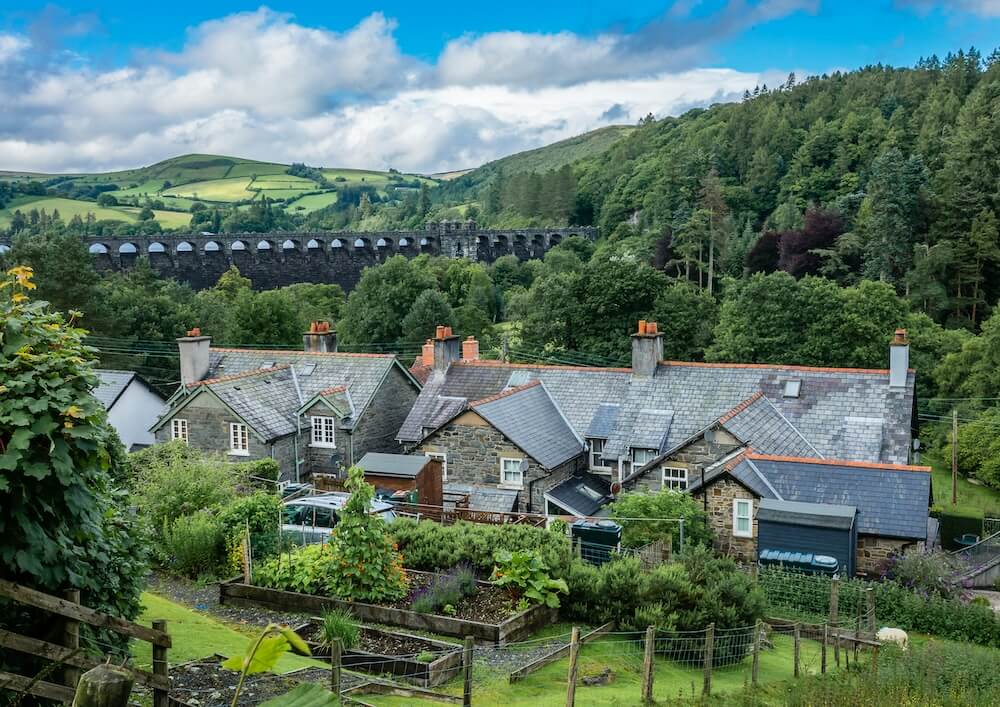
Where Welsh is spoken
Wales
At the 2021 census, around 538,000 people in Wales, close to 18 per cent of the population aged three and over, said they could speak Welsh. Welsh is spoken across the country, with the highest proportions in the north and west, in counties such as Gwynedd and Ceredigion, and growing numbers in Cardiff and the south-east. Welsh and English have equal official status in Wales.
The rest of the UK
Welsh speakers live across England and the UK, and many organisations outside Wales deal with Welsh-speaking customers, patients and clients, particularly in border regions and in cities such as London, Manchester and Liverpool.
Patagonia
A Welsh-speaking community in Chubut province in Argentina dates back to the 1860s, and Welsh remains a living cultural language there.
Dialects and registers
Welsh has northern and southern varieties, differing in vocabulary, pronunciation and some grammatical forms. Written Welsh is more standardised, with a formal register used for official documents and a more colloquial register for informal communication. A translation for a Welsh-medium school, a public body and a social media campaign will each need a different tone.
Key sectors for Welsh translation
Public sector
Welsh councils, the Welsh Government, NHS Wales and other public bodies produce a very large volume of bilingual material, including consultations, policy documents, forms, signage and websites.
Education
Welsh-medium and bilingual education creates demand for teaching resources, assessments, school communications and university materials.
Law and the courts
Welsh may be used in legal proceedings in Wales, and legislation made in Wales is published in both languages.
Broadcasting and media
S4C, BBC Cymru Wales, radio, publishing and the creative sector produce Welsh-language content, with subtitling and localisation needs.
Utilities, banks and retailers
Many utility companies, banks, retailers and telecoms firms serving Wales provide Welsh-language services, and some are covered by Welsh Language Standards.
Tourism and heritage
Wales promotes its language and culture to visitors, and signage, guides and marketing benefit from good Welsh.
Health and social care
Welsh-language services are a particular priority in health and social care, because some patients communicate best in Welsh.
Business and charities
Companies, charities and community organisations in Wales communicate in Welsh to build trust and reach local audiences.
“I have been using Atlas Translations for translations in connection with legal proceedings for years. They provide a quick and efficient service and excellent customer support/service. The company in my experience is able to turn documents around faster than others in the market.”
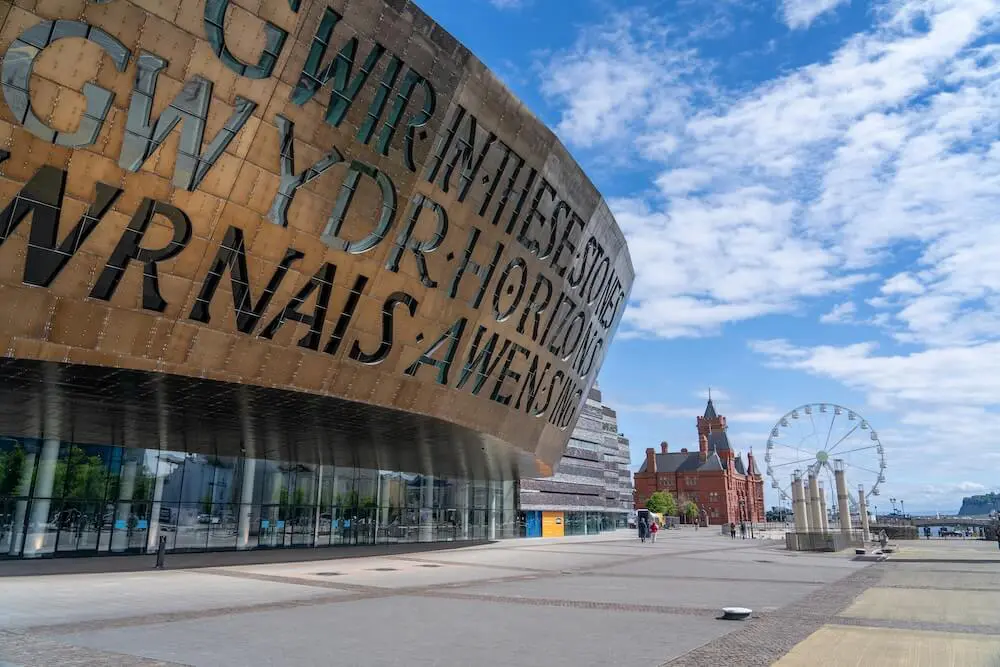
Why translate your materials into Welsh?
The law may require it
The Welsh Language (Wales) Measure 2011 made Welsh an official language of Wales and created Welsh Language Standards that public bodies and certain other organisations must follow. Many must provide services, documents and websites in Welsh, and failure to do so can lead to investigation by the Welsh Language Commissioner.
It is what customers and communities expect
Welsh speakers increasingly expect to be able to use their language when dealing with public services and with businesses, and it is a visible sign of respect.
It supports the language
Providing high-quality Welsh content helps normalise the use of the language in everyday life and supports its future.
It builds trust
Good Welsh, written naturally and accurately, signals real commitment to Welsh communities. Poor or obviously machine-made Welsh does the opposite.
Procurement and tenders
Public sector contracts in Wales frequently include Welsh-language requirements, and bids may need to demonstrate Welsh capability.
Getting Welsh right
Mutation, correct use of formal and informal registers, accurate terminology and a natural, idiomatic style all depend on a translator who knows Welsh well. Standardised terminology exists for many fields, including law, health, education and public administration, and consistent use of it matters. Machine translation for Welsh has improved in recent years, but it still makes errors of mutation, terminology and style that a Welsh speaker will notice, and is not suitable for legal, official or public-facing text without expert human work.
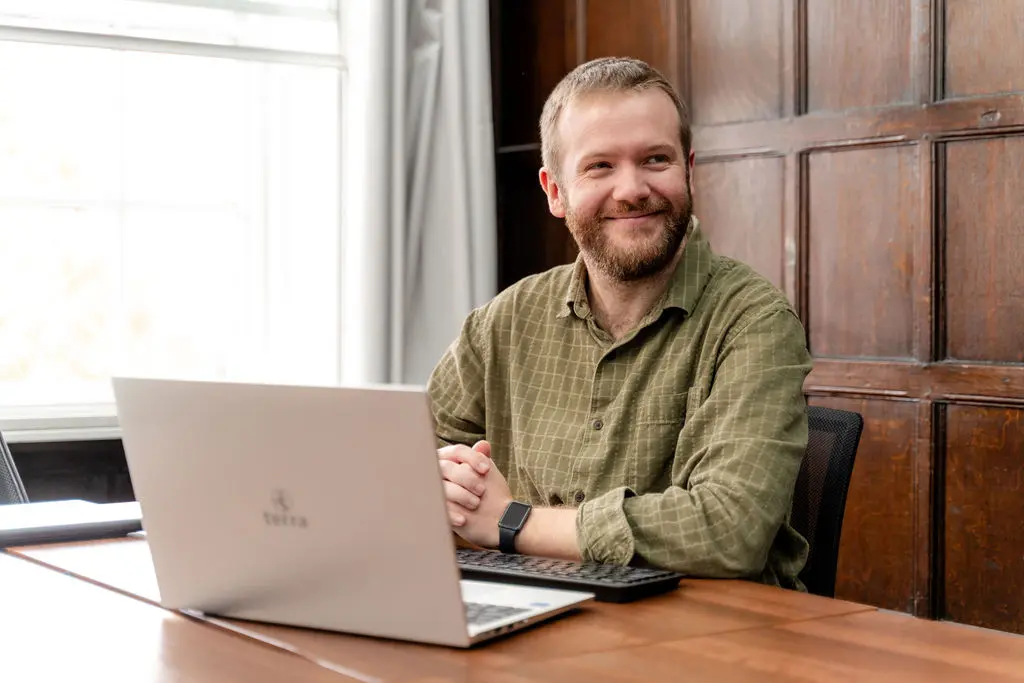
Why trust Atlas with your Welsh translation?
Native Welsh-speaking translators
Our Welsh translators are first-language speakers with sector-specific subject knowledge.
Understanding of Welsh requirements
We understand the demands of Welsh Language Standards and the expectations of public bodies, and can advise on register and audience.
Human translation, always
Every Welsh project is handled by a real person who is a first-language speaker, never an automated tool.
A named project manager on every job
Every Atlas project is led by a dedicated member of our team who takes personal responsibility for quality and delivery, so you will always have someone to call.
ISO-certified quality
Atlas holds ISO 9001:2015 (Quality Management) and ISO 17100:2017 (Translation Services) certifications, and was one of the first UK translation agencies to achieve the latter. We are also members of the Institute of Translation and Interpreting, the Chartered Institute of Editing and Proofreading and the Association of Translation Companies.
35 years of experience
Atlas has been working with UK languages and with public sector clients since 1991. If you have a Welsh project to discuss, we would be glad to hear from you.
Why trust Atlas Translations?


Read more about our commitment to quality
Certified translations by certified humans
Frequently asked questions
How much does Welsh translation cost?
Projects vary in need, length, and complexity. If you’re interested in our services and need a fast cost estimate, use our price calculator. Alternatively, you can request a quote or call us to talk it through on 01727 812 725.
How long does it take?
How long is a piece of string? It really depends.
It’s best to give us a call on 01727 812 725 to discuss your project and we can give you a more precise timeframe. We are known for our speedy turnarounds, though…
Do you work with any language?
Looking for more than just Welsh?
We are confident that we have your needed language covered. From American English to Zulu, we’ve worked on more than 340 languages since 1991, including Latin and Ancient Greek. Read more about the languages we offer.
How do I know I can trust Atlas Translations?
Atlas Translations holds two ISO certifications — ISO 9001:2015 (Quality Management) and ISO 17100:2017 (Translation Services). If the project is confidential, we can sign NDAs for extra peace of mind.
Are you wondering if we’re up to date on privacy? We registered with the Information Commissioner’s Office (ICO) over twenty years ago, and we have always prioritised data protection.
Rad more about our commitment to quality.
Atlas Translations are here to support you. Whether you’re an individual, a SME or a multinational corporation, we can help.
Need a Welsh translation?
Email us on team@atlas-translations.co.uk
Call us on 01727 812 725
Tell us some details and get a quote
Use the chatbox to start a conversation. It’s a real-life human, no bots here! (During UK business hours – we do need to sleep.)
See more options on our contact page.