Look, we get it. You’ve just signed off on a translation project, and you’re eager to get it out into the big, wide world. So, when we mention adding a proofreading stage, you might be thinking, “Isn’t that just…checking for typos?”
Well, yes. And no. Mostly no, actually. Here’s the thing: proofreading is one of those stages that sounds simple on paper but makes all the difference between a good translation and a brilliant one. We’re talking about the difference between your message landing perfectly and your audience wondering what on earth you’re on about.
What is proofreading, really?
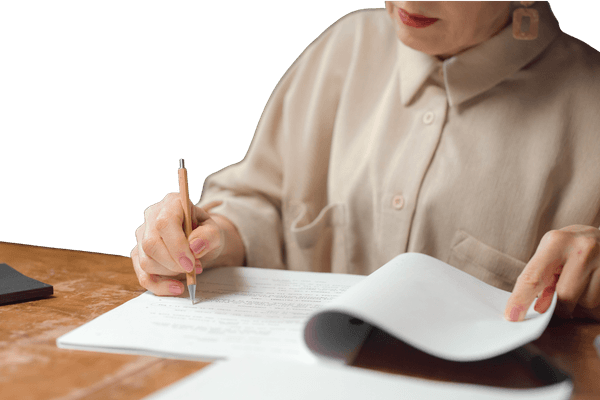
At its heart, proofreading means getting a fresh pair of eyes on your translated document. But it’s so much more than hunting down rogue commas and spelling mistakes (though we do that too, obviously).
A proper proofreading stage looks at accuracy, clarity, format, and whether the translation actually makes sense in the target language. Because here’s a fun fact about brains: they’re rubbish at spotting their own mistakes.
You know when you do that thing where you’ve been working on a document for hours, you set it aside, and then you come back the next day only to find it’s riddled with typos and sentences that make no sense? That’s not you being careless; that’s just how brains work. We think faster than we type, and we fill in gaps automatically. It’s brilliant for everyday life, but terrible for quality control.
That’s why we always get someone else to proofread our translations. Someone who hasn’t been staring at the same sentences for the past three hours and can actually see what’s on the page rather than what they think should be there.
What actually happens during proofreading?
At Atlas Translations, we assign a second native translator for every proofreading stage. Their job is to compare the original text with the translation, looking for errors, ambiguities, or anything that’s ended up lost in translation (pun definitely intended).
Catching what shouldn’t be there
This part is a bit straightforward: we’re looking for mistakes. Grammatical errors, words used incorrectly, punctuation that’s gone walkabout, formatting that’s decided to do its own thing. We read through the translation meticulously, comparing it to the original to make sure everything’s where it should be.
It’s tedious work, admittedly, but someone’s got to do it.
Making sure the translation actually works
Translation involves a wee bit more than just swapping words from one language to another, like some linguistic jigsaw puzzle. It’s about capturing the ‘feel’ of what you’re trying to say and making sure it ‘lands’ properly in the target language.
Looks like someone ‘needs’ a quotation mark intervention.
In any case, having multiple sets of eyes involved becomes invaluable in this situation. When we bring in a second native translator for proofreading, they’re bringing their own expertise, perspective, and knowledge to the table. They might spot a better way to phrase something or notice that a particular phrase doesn’t quite work in the target language.
It’s collaborative, not just corrective.
Keeping the original vibe intact
A brilliant proofreader can tell when something’s technically correct but feels a bit… off. Maybe the tone’s too formal, or too casual, or just doesn’t match the original text. These are the subtle things that can make your translation feel awkward or unnatural.
By making the right adjustments, we make sure your translated text reads like it was written in the target language from the start. In other words, not like something that’s been put through the Google Translate wringer and given a quick polish.
Why proofreading is a non-negotiable for translation
When you’re translating content, the stakes are higher than your average email. A dodgy translation can cause anything from mild confusion to proper legal headaches. That’s why we never skip the proofreading stage. And here’s why you shouldn’t either.
Content for a large audience
Your translation could be read by thousands, hundreds, or tens of people. So, whether it’s website copy, marketing materials, or blog posts, mistakes will undermine your credibility faster than you can say ‘spellcheck’. We make sure everything’s polished and professional before it reaches your audience.
We don’t think about how many people will be reading your content. We just assume someone will be reading it. And that someone is the most important person to you, which means you need accurate, clear, and relevant materials.
Medical, legal, or technical documents
To say there’s no room for error in medical, legal or technical documents is a slight understatement. When you’re translating documents where accuracy could mean the difference between compliance and a lawsuit, or between proper patient care and a medical mishap, proofreading isn’t optional.
That’s why we employ specialist translators and proofreaders with sector-specific knowledge who know these fields inside out. They understand the terminology, the context, and why precision matters.
Other areas needing proofreading
Marketing, PR, advertising, accountancy, finance, banking, engineering, fashion, clothing, beauty, charities, non-profit, packing, shipping, travel, tourism, museums, education, training, recruitment, clinical trials, research and development.
ISO Certification Requirements
If you’re working to ISO 17100 standards (and we are; we’ve got the certifications to prove it), proofreading isn’t just good practice; it’s a requirement.
The standard specifically outlines the processes needed for delivering high-quality translations, and proofreading is right there in black and white.
We’re proud holders of ISO 9001:2015 and ISO 17100:2017 certifications, which means you can trust that your translations meet the highest quality standards.
It’s not just us saying our work is good. It’s been independently verified as good 💅
The bottom line
Proofreading isn’t overtly glamorous work, but it’s essential. It’s the difference between a translation that’s technically correct and one that’s genuinely effective. It catches errors, improves accuracy, and makes sure your translated text faithfully represents what you actually meant to say.
When you work with us at Atlas Translations, proofreading is an obvious next step to be baked into the process. This is especially so for medical, legal, and technical documents where precision isn’t negotiable. We want you to feel confident that your translation will land exactly as intended, whether it’s being read by five people or five thousand.
Because at the end of the day, your reputation’s on the line. And we’d rather spend a bit more time getting it right than have you deal with the fallout if we get it wrong.