
Posted on17 February 2026
Timing is Everything: Coordinating Translation with Clinical Trial Milestones

When your Phase III trial is on track, you know your regulatory submissions are scheduled, sites are prepped, and recruitment is about to launch globally. But then someone asks, “When are those translated patient materials arriving?” Suddenly, what looked like a well-orchestrated timeline becomes a frantic scramble. Sounds familiar, doesn’t it? Here at Atlas, we see this scenario far too often. Brilliant clinical trial strategies derailed not by complex science or regulatory hurdles, but by something seemingly simple: translation timing. Coordinating translation with clinical trial milestones involves more than moving words between languages. It’s the time when you need a translation partner that understands how every document, deadline, and decision point connects.
What can we help with today? Call us on +44 (0)1727 812 725 or email us at team@atlas-translations.co.uk – we’re only a call, chat, or email away, and we’re always eager to help!
The Hidden Complexity of Clinical Trial Translation Timing
One thing many clinical trial project managers may not realise is that translation isn’t a simple task that happens in isolation. Quality medical translation requires multiple review cycles, back-translation for critical documents, and regulatory alignment across different markets. Each document type has a different level of complexity, so a lab manual might take days, while patient-facing materials with cultural adaptation could take weeks.
When translation timing goes wrong, the effects ripple through everything.
We’ve seen recruitment delays cost months when patient materials weren’t ready for site activation. Regulatory submissions miss deadlines when translated documents don’t meet quality standards under rushed timelines. The cost implications are significant 😭, and compressed translation timelines often end up taking longer overall when revision cycles multiply.
Critical Coordination Points Every Project Manager Should Know
Protocol Finalisation to Translation Kickoff
One of the biggest challenges is the “moving target” problem. Protocols evolve right up until finalisation, and waiting for everything to be completely locked down can create impossible timelines later.
The key is building in buffer time while maintaining momentum. We often recommend starting translation work on stable sections and acknowledging that some elements may need updating. This parallel approach requires coordination, but it’s often the difference between meeting deadlines and scrambling later.
Regulatory Submission Deadlines
Different industries, agencies, and countries have distinct regulatory review cycles, and this significantly affects translation planning. Some regulatory bodies expect back-translation for informed consent forms. Others have specific formatting requirements that need to be built into the translation process from the beginning.
Planning backwards from submission dates ensures proper quality assurance time. We’ve seen submissions delayed because teams underestimated how long quality medical translation takes when done properly.
Site Activation and Training Materials
Training must happen before patient recruitment launches, so operational materials must be translated and ready well in advance. Next up, patient-facing materials, which may need to be culturally appropriate and regulatory-compliant before the first participant arrives.
One thing is for sure: the domino effect is real. A delay in market materials can have a negative effect on global rollout plans. Understanding these interdependencies upfront is crucial for project managers.
Strategic Timeline Planning That Actually Works
Waterfall vs. Agile
The traditional approach of waiting for everything to be “final” before starting translation is easy to implement, but often backfires. On the other hand, creating workflows that allow translation and other development work to happen simultaneously or concurrently requires more coordination.
However, it’s this coordination that allows clinical trials to meet ambitious timelines without compromising quality.
The “Rush Job” Trap
Compressed translation timelines often cost more time and money in the long run. When translators work too quickly, quality issues lead to costly revision cycles later. Regulatory bodies notice poor-quality translations and request clarifications that proper planning could have avoided.
Building realistic timelines that account for proper quality assurance protects the entire study timeline from predictable delays.
Update Management Strategy
Protocol amendments and material updates are inevitable. Smart project managers plan for this reality rather than hoping it won’t happen.
Version control becomes crucial when managing updates across multiple languages and markets.
A Practical Framework for Project Managers
There are many frameworks and ways of working available, and no one framework will work for every project. Still, having at least a basic idea of a framework that can handle your trial projects is a great idea.
The 60-30-10 Rule
Here’s a simple planning framework: allocate 60% of your timeline for initial translation and review, 30% for stakeholder feedback and revisions, and keep 10% as a buffer for final approvals and unexpected changes. This accounts for reality, which is how materials that seem straightforward often aren’t, and “quick changes” usually take longer than expected.
Key Planning Questions
At the start of any translation or trial project, be sure to ask a few exploratory questions:
- What documents are truly final versus likely to change?
- Which markets have the longest regulatory review cycles?
- Where are the critical path dependencies?
Tools and Processes That Support Success
Successful project managers create communication frameworks that keep clinical operations and translation teams aligned, including clear documentation about priorities and early warning systems for potential conflicts.
Making It Work in Practice
The best clinical operations teams don’t treat translation as a last-minute task. Instead, they build relationships with translation partners before projects start, create reusable processes, and train teams to consider translation timing from the beginning.
This upfront investment pays dividends later. Instead of firefighting translation crises, you can focus on getting treatments to patients quickly and safely.
It’s a Wrap!
Clinical trial success isn’t just about brilliant science; it is about brilliant coordination. When project managers understand that translation timing affects everything from regulatory approvals to patient recruitment, they can build strategies that support success rather than scramble to avoid disaster.
The best teams make translation part of their strategic planning from day one, because in clinical trials, timing really is everything.
We’d Love to Hear From You!
You can call us on +44 (0)1727 812 725 or email team@atlas-translations.co.uk. We respond quickly to all enquiries and are always happy to chat about your needs.
If you’d like to visit us in person to learn more about our services or to drop off documents, just give us a call or email us to arrange a time.
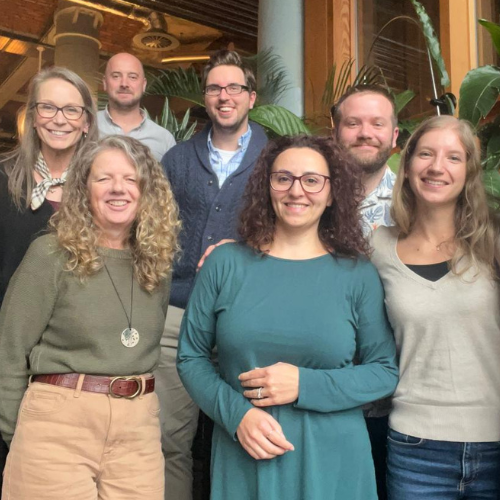
The A-Team (back row: Anna, Jim, Alex, and Rhys; front row: Clare, Steffi, and Joanna)
You can use the live chat button during UK business hours, or leave us a message outside of business hours. Plus, you can also click the Get a Quote button at the top of the website for a quick price estimate.
Can I Trust Atlas Translations?
Atlas Translations is certified to ISO 9001:2015 (Quality Management) and ISO 17100:2017 (Translation Services) standards. For confidential projects, we’re happy to sign a non-disclosure agreement (NDA). Registered with the Information Commissioner’s Office (ICO) for over 20 years now, reflecting our long-standing commitment to privacy and data protection.
We’re proud to provide fast, friendly, high-quality services—but don’t just take our word for it. Check out our client testimonials and TrustPilot reviews.
Global Voice, Local Touch
If you’re looking for some top tips for partnering with Atlas Translations, we have some top tips to share! We answer 25 of our clients’ most frequently asked questions, ranging from typesetting queries to discussing reference materials.
Click to download Global Voice, Local Touch
Note: The author (that would be me) would like to mention that they very much enjoy using the Oxford comma, the em-dash, and, on occasion, the 🚀 emoji. If these items appear above, the author promises that no AI was harmed in the creation of this post.