
Posted on31 March 2026
The Translation Checklist Every Global Product Launch Needs

Launching a product across multiple markets is complex enough without translation holding everything up. And yet, for many pharma and medical device companies, it does exactly that, because it’s planned too late, scoped too narrowly, or handed to a supplier without the specialist experience to manage it properly.
This handy translation checklist (aka bloglist) is designed to help you avoid that. Keep it to hand, use it as a living document, and work through it early. This way, translation becomes a seamless part of your launch plan rather than a last-minute scramble, because nobody likes a scramble unless it involves eggs.
What can we help with today? Call us on +44 (0)1727 812 725 or email us at team@atlas-translations.co.uk – we’re only a call, chat, or email away, and we’re always happy to help!
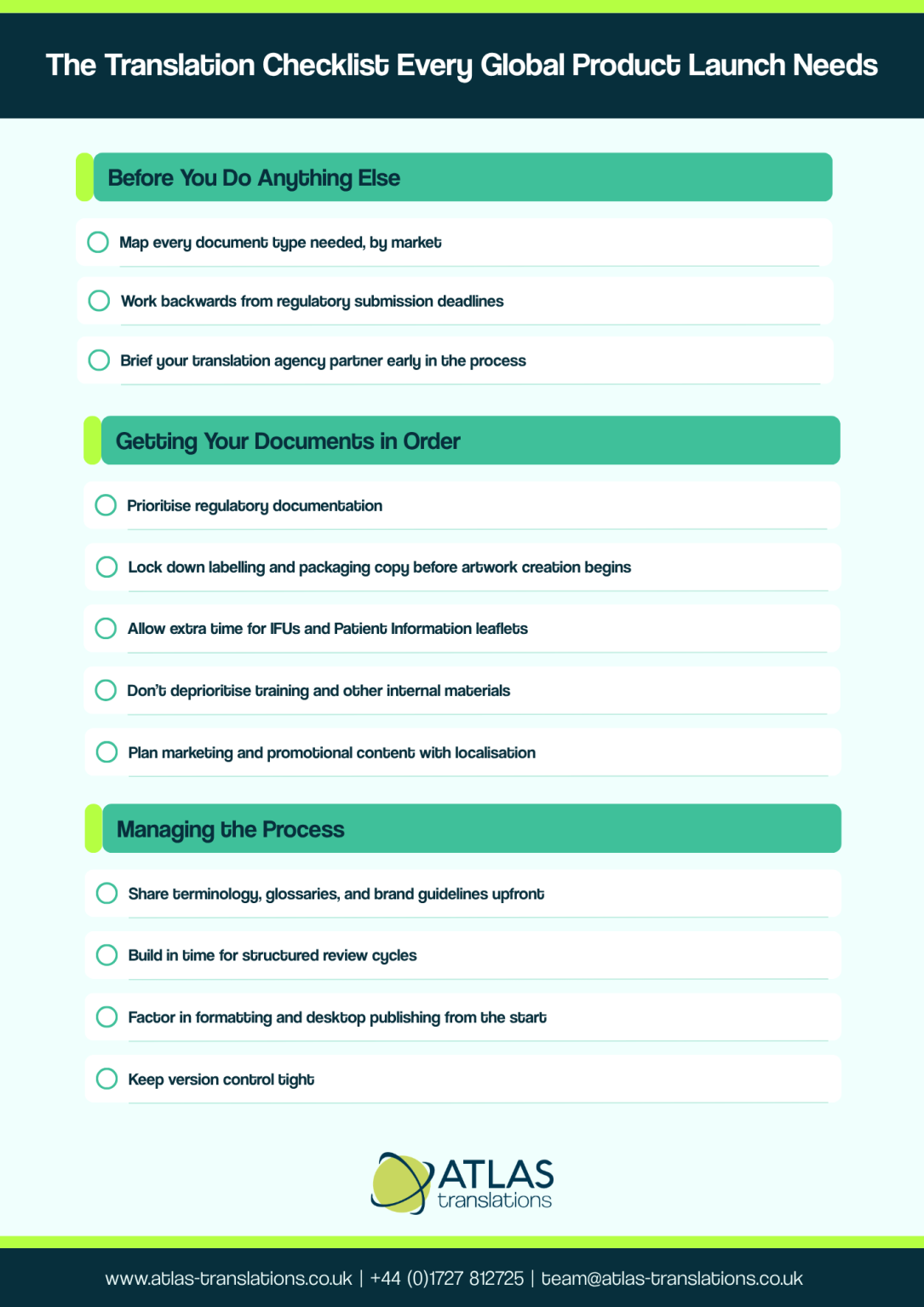
Before You Do Anything Else
🗺️ Map Every Document Type You’ll Need Translated, by Market
Regulatory requirements vary across markets, and so does the list of documents each one needs. Before timelines or budgets can be set, you need a clear picture of the full required scope. This includes regulatory dossiers, labelling, patient-facing materials, marketing content, internal training materials, and much more.
🔎 Identify Your Regulatory Submission Deadlines and Work Backward
Translation lead times in regulated industries are routinely underestimated. Regulatory documents require sector-specific specialists and subject-matter experts. Patient-facing materials may require readability testing in the target language. Build your translation start dates around your submission deadlines, not the other way around.
💼 Brief Your Translation Agency Partner as Early as Possible
A professional translation service needs time to allocate the right linguists, set up project infrastructure, and ask the questions that prevent problems later. The earlier they’re in the room, the better.
Getting Your Documents in Order
🥇 Prioritise Regulatory Documentation
Common Technical Documents (CTDs), dossiers, and labelling annexes carry the highest compliance stakes and the longest lead times. These should be the first documents to enter the translation pipeline. Delays here have a knock-on effect on everything else.
🔒 Lock Down Labelling and Packaging Copy Before Artwork Begins
Physical product text and copy must be finalised before design sign-off. Changes after that point are costly and disruptive. Make sure translation is complete and approved before the artwork process moves forward.
⌛ Allow Extra Time for Instructions for Use and Patient Information Leaflets
Instructions for Use (IFU) and patient information leaflet translations are not straightforward swaps from one language to another. Many markets require readability testing in the target language, which adds a review stage that needs to be factored into the timeline from the start.
❌ Don’t Deprioritise Training and Internal Materials
Sales team briefings and healthcare professional (HCP) facing content are often the last to get attention. But inconsistent messaging at launch can undermine even the best product. Treat these with the same rigour as your regulatory documents.
🌍 Plan Marketing and Promotional Content With Localisation
This is typically the highest-volume content category. Tone, cultural expectations, and local market sensitivities matter here as much as linguistic accuracy. Build in time for localisation review, not just translation.
Managing the Process
📖 Share Terminology, Glossaries, and Brand Guidelines Upfront
Consistency across document types and across markets depends on everyone working from the same reference points. Good translation project management starts with giving your translation agency partner the tools (terminology management) they need before work begins.
🏢 Build In Time For Structured Review Cycles
Every document type should have a clear review stage, including internal subject matter expert sign-off and, where required, back-translation. Don’t treat review as optional or leave it to the end.
🖥️ Factor in Formatting and Desktop Publishing From the Start
Translated text doesn’t always fit the same space as the original. Languages like German or French can considerably expand a piece of copy, which has practical implications for packaging, patient leaflets, and any document with a fixed layout. Working with an agency that handles desktop publishing (DTP) alongside translation means formatting issues are caught and resolved as part of the process, not flagged at the artwork stage.
📚 Keep Version Control Tight Throughout the Process
Regulatory documents are often updated during the review process. Make sure your translation agency is working from the most current version at all times, and that any changes trigger a formal update process rather than an informal fix.
Choosing the Right Translation Partner
Not every agency is equipped to handle the full scope of a global product launch. Look for ISO 17100 certification as a baseline quality standard, genuine experience in pharmaceutical and medical device translation, and project management capability to coordinate multiple document types, languages, and deadlines simultaneously.
At Atlas Translations, we work with pharma and medical device clients from regulatory submission through to patient-facing materials and marketing content. As a UK translation agency certified to ISO 17100 and ISO 9001 standards, we’re set up to handle the full complexity of a global launch. Not only that, we’re used to working within the timelines that regulated industries demand.
The earlier translation is built into your launch plan, the less likely it is to become a problem.
If you’re working towards a global product launch and want to talk through your multilingual timeline, get in touch with us today.
We’d love to help you get it right the first time, for the last time.
Contact Us Today!
You can call us on +44 (0)1727 812 725 or email team@atlas-translations.co.uk. We respond quickly to all enquiries and are always happy to chat about your needs.
If you’d like to visit us in person to learn more about our services or drop off documents, just call or email us to arrange a time.
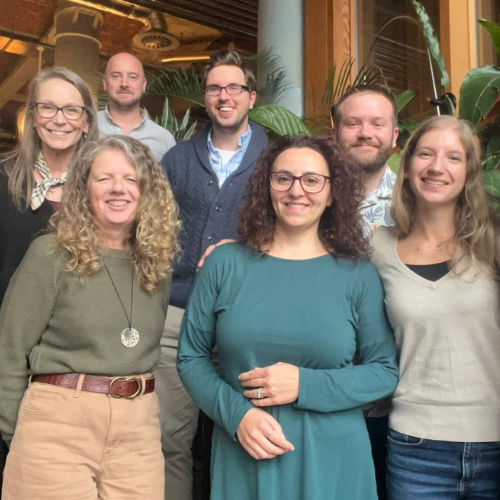
The A-Team (back row: Anna, Jim, Alex, and Rhys; front row: Clare, Steffi, and Joanna)
You can use the live chat button during UK business hours, or click the envelope to leave us a message when we’re not in the office. Plus, you can also use our Get a Quote button at the top of the website for a quick price estimate.
Can I Trust Atlas Translations?
Atlas Translations is certified to ISO 9001:2015 (Quality Management) and ISO 17100:2017 (Translation Services) standards. For confidential projects, we’re happy to sign a non-disclosure agreement (NDA). Registered with the Information Commissioner’s Office (ICO) for over 20 years now, reflecting our long-standing commitment to privacy and data protection.
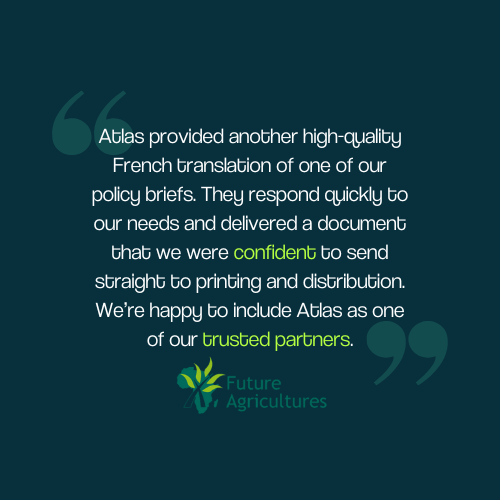
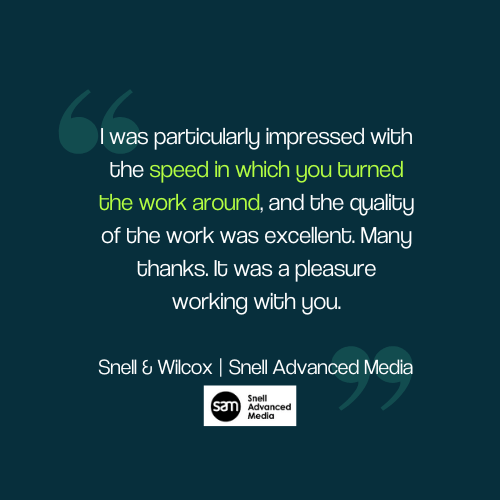
We’re proud to provide fast, friendly, high-quality services—but don’t just take our word for it. Check out our client testimonials and TrustPilot reviews.
Global Voice, Local Touch
If you’re looking for some top tips for partnering with Atlas Translations, we have some top tips to share! We answer 25 of our clients’ most frequently asked questions, ranging from typesetting queries to discussing reference materials.
Click to download Global Voice, Local Touch