Croatian translation
Croatian is the official language of Croatia and one of the standardised varieties of the Serbo-Croatian diasystem. It’s spoken in Bosnia and Herzegovina, Montenegro, and Serbia, as well as by expat communities across Europe, North America, and beyond. In total, it boasts over 6 million native speakers worldwide.
A language with a complicated history and a clear identity
Croatian is a South Slavic language, closely related to Serbian and Bosnian. So closely, in fact, that linguists sometimes group them together under the umbrella term Serbo-Croatian, or BCS (Bosnian/Croatian/Serbian). This is linguistically defensible but can be politically contentious.
The relationship between Croatian, Serbian, and Bosnian is complex. At the level of everyday speech, a Croatian speaker and a Serbian speaker can understand each other without much difficulty. At the level of formal written language, vocabulary, and cultural identity, the differences are more significant and more carefully maintained. Croatian uses the Latin alphabet; Serbian uses both Latin and Cyrillic. Croatian has developed its own distinct vocabulary, particularly in technical, legal, and official registers, deliberately choosing or coining Croatian-origin words where Serbian might use internationalisms or terms of different origin. These are not trivial distinctions to the people involved. Linguistic identity and national identity are closely intertwined in this part of the world, and a translation that treats Croatian as interchangeable with Serbian will not be well received.
The language has a rich literary history stretching back to the medieval period. The Glagolitic script (the predecessor to Cyrillic) was used in Croatia longer than almost anywhere else, and Croatian Glagolitic manuscripts from the medieval period are among the most remarkable documents in European linguistic history.
Modern Croatian was standardised in the 19th century as part of the broader movement of national awakening across Central and Eastern Europe, and it has been the official language of an independent Croatian state since 1991.
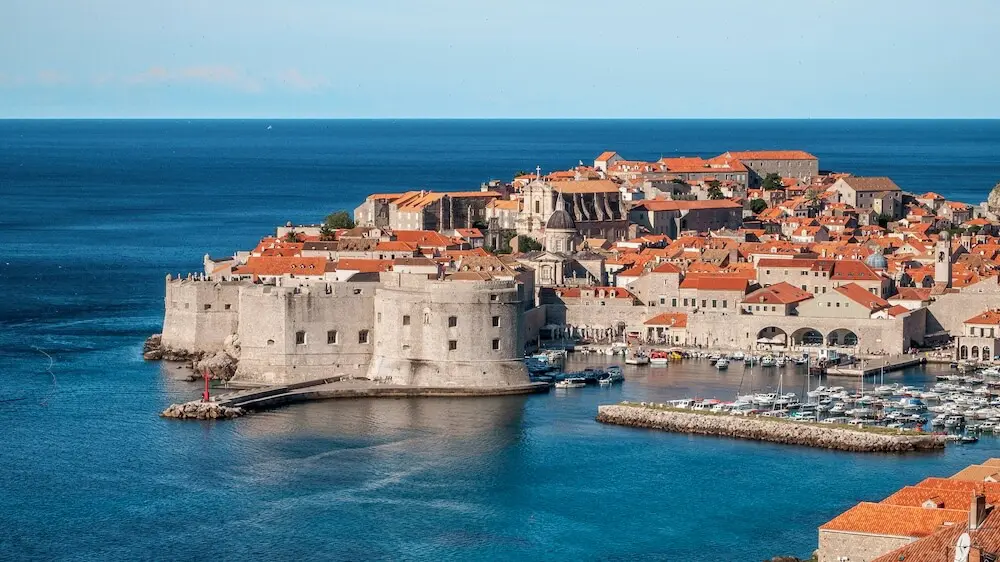
Key industries in Croatian-speaking markets
Tourism and hospitality
Croatia’s tourism industry is the dominant force in its economy, contributing an extraordinary share of GDP for an EU member state. The Dalmatian coast, the islands, Dubrovnik, Plitvice Lakes, and the Istrian peninsula attract millions of visitors annually from across Europe and beyond. The hospitality sector is large, sophisticated, and increasingly upmarket, with growing demand for luxury travel experiences.
Shipbuilding and maritime
Croatia has a long tradition of shipbuilding, with yards at Rijeka, Split, and other Adriatic ports. The maritime sector generates technical documentation, commercial contracts, and regulatory materials that require specialist translation expertise.
Pharmaceuticals and healthcare
Croatia has a domestic pharmaceutical industry, with companies like Pliva (now part of the Teva group) having been significant players in the European generics market. Healthcare documentation, regulatory submissions, and patient information all carry exacting translation requirements.
Agriculture and food
Croatian food and drink exports like olive oil, wine, truffles from Istria and Dalmatian prosciutto, are growing in international profile The country’s agricultural sector is increasingly oriented toward premium, provenance-focused products that need careful handling in translation.
Construction and real estate
Foreign investment in Croatian property has been significant, particularly along the coast. Real estate transactions, construction contracts, and property development documentation frequently require translation between Croatian and various European languages.
EU institutional and legal
Since joining the EU in 2013, Croatia generates and receives a significant volume of EU institutional documentation. Legal harmonisation, regulatory compliance, and EU-funded project documentation all create ongoing translation needs.
Technology and startups
Zagreb has developed a modest but growing technology sector, with a number of startups gaining international recognition. Infobip, one of Croatia’s most successful technology companies, has grown into a global communications platform. As Croatian tech companies expand internationally, their translation needs grow with them.
“I am a will writer and had taken will instruction from an elderly lady, who has poor eyesight and limited English skills. Atlas translated the Will I had written into Italian for me, certified the translation and then Visited with me to see my client at her home and read over the Will in Italian so that my client could understand it properly.
This service was so professional, the interpreter was delightful and skilled and my client was happy to sign the Will and I was confident that she completely understood it which is my job. Atlas and Ilenia the interpreter were fantastic and I shall use them again if required.”
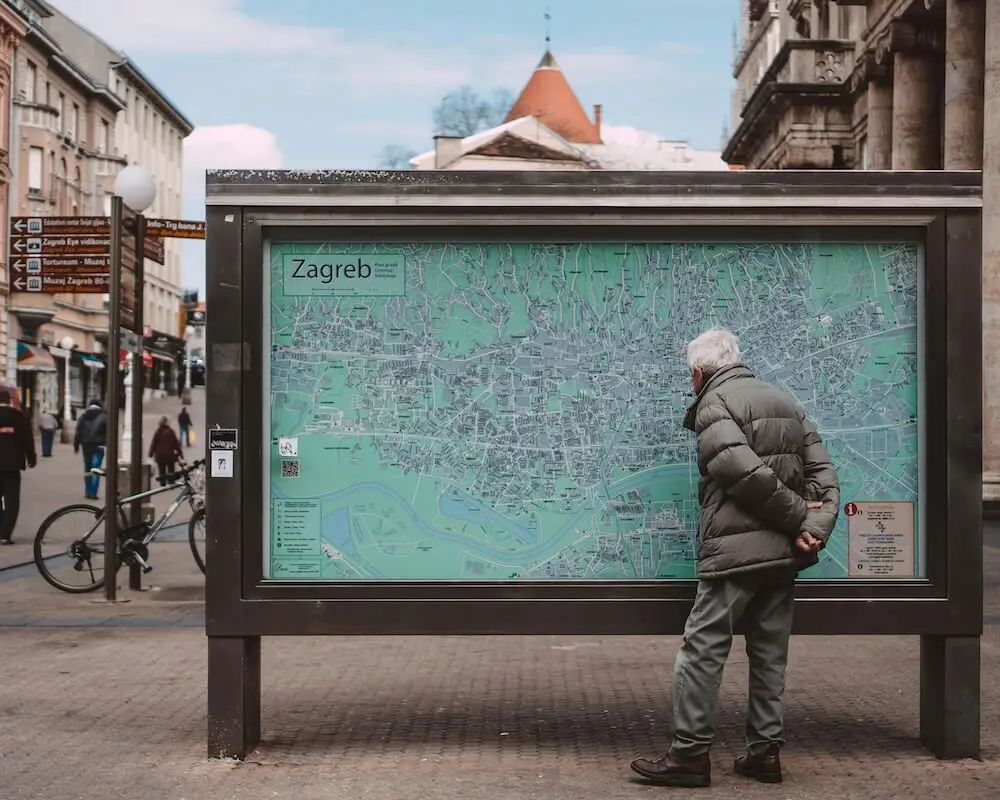
Why translate your business materials into Croatian?
The tourism opportunity is enormous
Croatia’s tourism market is one of Europe’s most active, and the businesses that succeed in it communicate well across multiple languages, including Croatian for domestic partners, suppliers, and the significant number of Croatian-speaking tourists who visit from the diaspora.
EU membership brings obligations
In regulated sectors, Croatian-language documentation is a legal requirement rather than a preference. Consumer contracts, financial products, pharmaceutical labelling, and employment documentation all carry language obligations for businesses operating in Croatia.
The diaspora is a significant and often overlooked audience
Croatian communities in Germany, Austria, Australia, and elsewhere are large, established, and maintain strong connections to Croatian culture and identity. Businesses that communicate with them in Croatian build loyalty that English-only content simply cannot.
The Western Balkans entry point
Croatia’s position as the most developed and EU-integrated economy in the western Balkans makes it a natural starting point for businesses exploring the broader region. Good Croatian-language capability is a foundation that can support wider regional engagement.
Getting Croatian right
Croatian has a fully developed case system: seven grammatical cases that affect the endings of nouns, pronouns, and adjectives throughout a sentence. Thismakes it considerably more grammatically complex than English and a language that punishes careless translation. The vocabulary question is also significant: Croatian has made deliberate choices to use Croatian-origin words in many technical and official registers. Using the wrong term, for example one that sounds Serbian or is borrowed when a Croatian word exists, will be noticed by Croatian readers and will undermine credibility.
The dialect picture is also worth knowing about. Standard Croatian is based on the Štokavian dialect, but Kajkavian (spoken around Zagreb) and Čakavian (spoken along the coast and on the islands) are distinct enough to be considered separate languages by some linguists. For standard business translation, literary Croatian is the right choice, but the regional flavour of your audience may occasionally be worth considering for consumer-facing content.
We match every Croatian project to a native speaker who knows the language’s particular conventions and sensitivities.
Why trust Atlas with your Croatian translation?
Native Croatian translators who know the distinctions
Our translators are native Croatian speakers who understand the vocabulary, register, and cultural conventions that make Croatian Croatian, not a version of something else. We take dialect and register seriously, and we match translators to the specific audience your project is aimed at.
Sector expertise across Croatia’s key industries
Tourism, pharmaceuticals, maritime, food and wine, legal and EU institutional: we have translators with subject-matter knowledge across the industries where Croatian translation demand is strongest.
A dedicated project manager for every job
A named member of our team leads your project from start to finish, is accountable for quality and timeline, and is always available to talk. Croatian is a language where the details matter, and having experienced oversight of the process makes a real difference.
ISO certified
Our quality management systems apply fully to Croatian, including for the EU regulatory and compliance work that makes up a significant part of Croatian translation demand since accession in 2013.
Over 35 years of European language expertise
We have been building specialism in the languages of Central and Southeastern Europe since 1991, and Croatian is one we know well and enjoy working with.

Why trust Atlas Translations?


Read more about our commitment to quality
Certified translations by certified humans

Frequently asked questions
How much does Croatian translation cost?
Projects vary in need, length, and complexity. If you’re interested in our services and need a fast cost estimate, use our price calculator. Alternatively, you can request a quote or call us to talk it through on 01727 812 725.
How long does it take?
How long is a piece of string? It really depends.
It’s best to give us a call on 01727 812 725 to discuss your project and we can give you a more precise timeframe. We are known for our speedy turnarounds, though…
Do you work with any language?
Looking for more than just Croatian?
We are confident that we have your needed language covered. From American English to Zulu, we’ve worked on more than 340 languages since 1991, including Latin and Ancient Greek. Read more about the languages we offer.
How do I know I can trust Atlas Translations?
Atlas Translations holds two ISO certifications — ISO 9001:2015 (Quality Management) and ISO 17100:2017 (Translation Services). If the project is confidential, we can sign NDAs for extra peace of mind.
Are you wondering if we’re up to date on privacy? We registered with the Information Commissioner’s Office (ICO) over twenty years ago, and we have always prioritised data protection.
Rad more about our commitment to quality.
Atlas Translations are here to support you. Whether you’re an individual, a SME or a multinational corporation, we can help.
Need a Croatian translation?
Email us on team@atlas-translations.co.uk
Call us on 01727 812 725
Tell us some details and get a quote
Use the chatbox to start a conversation. It’s a real-life human, no bots here! (During UK business hours – we do need to sleep.)
See more options on our contact page.