Turkish translation
Turkish is the most widely spoken Turkic language in the world and the language of a large, young and economically significant country that links Europe and Asia. With around 85 to 90 million speakers, it is the official language of Türkiye, a member of the G20 and the EU’s customs union, and it has large communities in Germany, the UK and across Europe. For businesses working with one of the world’s major emerging economies, or serving Turkish-speaking communities at home, it is a language with real commercial weight.
A language of order and logic
Turkish belongs to the Turkic family, which stretches from the Balkans to Siberia and western China. It is agglutinative, attaching a chain of suffixes to a root so that a single word can express what other languages need a whole sentence to say, and it uses vowel harmony to govern those suffixes. It has no grammatical gender, the verb comes at the end of the sentence, and it distinguishes between things the speaker has seen and things they have heard about.
Until 1928, Turkish was written in a version of the Arabic script. As part of the reforms of Atatürk, it was changed to a Latin-based alphabet that suits the sounds of Turkish well. The alphabet includes letters not found in English, among them ç, ğ, ö, ş, ü and the dotted and dotless i (İ and ı), a pair that is a classic trap for software and careless typing.
Turkish has a rich literary tradition, including the poetry of Yunus Emre, the epic tales of the Ottoman period, and the modern novels of Orhan Pamuk, who won the Nobel Prize in Literature in 2006.
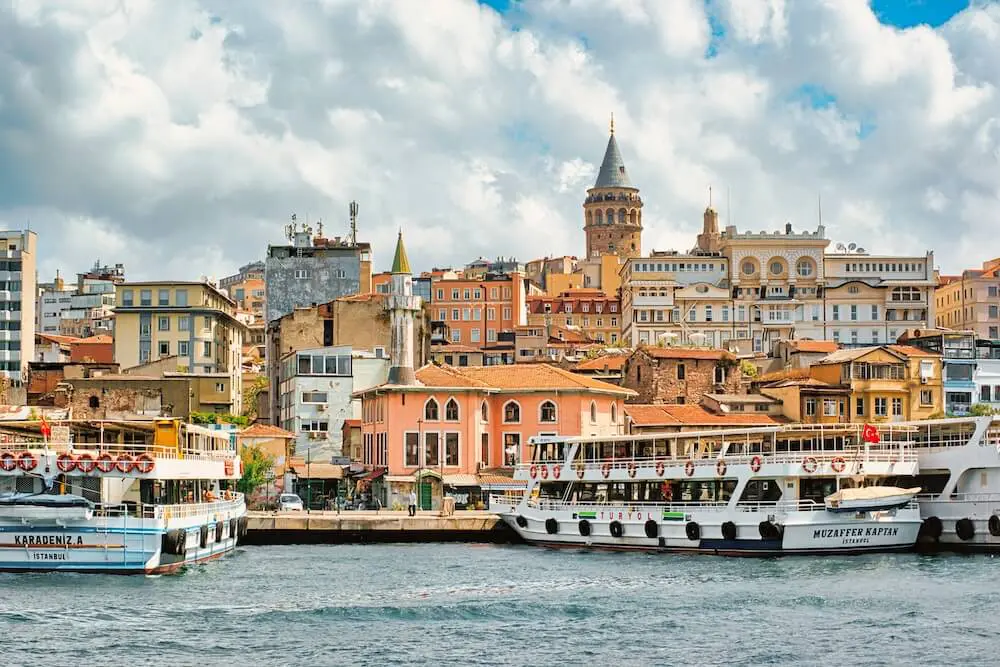
Where Turkish is spoken
Türkiye
Türkiye has a population of around 85 million. Istanbul is the largest city and the economic and cultural centre, Ankara is the capital, and İzmir, Bursa, Antalya, Adana and Gaziantep are major regional centres. The country has a large young population and a significant manufacturing base.
Cyprus
Turkish is an official language of the Republic of Cyprus and is the main language of Northern Cyprus. Turkish Cypriot Turkish has its own vocabulary and character, and there is a Turkish Cypriot community in the UK.
Germany and the rest of Europe
Germany is home to around three million people of Turkish origin, the largest Turkish-speaking community outside Türkiye. Significant communities also live in the Netherlands, France, Austria, Belgium and the UK, where Turkish is one of the established community languages.
The Balkans and beyond
Turkish is spoken by minorities in Bulgaria, Greece (Thrace), North Macedonia, Kosovo and Romania. Related Turkic languages, including Azerbaijani, Turkmen and Uzbek, are close to Turkish but are distinct languages in their own right and should not be treated as interchangeable.
Key industries in Turkish-speaking markets
Textiles and clothing
Türkiye is one of the world’s largest textile and clothing exporters, supplying many major fashion brands. Compliance, supply chain and trade documentation are extensive.
Automotive and white goods
Türkiye is a large vehicle and parts producer, with plants for Ford, Toyota, Hyundai, Renault and domestic makers, and Arçelik is a global home appliances manufacturer. Technical and quality documentation requires specialist translation.
Construction and contracting
Turkish contractors are among the largest in the world, active in the Middle East, Africa, Central Asia and Europe, generating tender, contract and technical documents.
Tourism and hospitality
Türkiye is one of the world’s most visited countries, with Antalya, Istanbul, Bodrum and Cappadocia attracting millions each year.
Defence and aerospace
The Turkish defence industry has grown rapidly, including unmanned systems, and generates technical and export documentation.
Agriculture and food
Hazelnuts, apricots, figs, olive oil, citrus and many other products are major exports, with labelling and certification needs.
Banking, fintech and e-commerce
Türkiye has a developed banking sector and a lively technology sector, with fast-growing e-commerce and one of the world’s most active mobile gaming industries.
Energy and steel
Türkiye is a hub for energy transit and a major steel producer, with a growing renewable energy sector.
Healthcare and medical tourism
Türkiye is a destination for medical and cosmetic procedures, creating demand for patient information, consent and clinical translation.
“I highly recommend Atlas Translations. They helped me out with the translation of tax documents. They provide a quick and reliable service. And I would 100 % use them again next time I need a document translated. Special thanks to Stefania who has been of great help.”
Borrowed from Turkish
Several Turkish words made it into English, such as
- kiosk from köşk (open pavillon)
- agha or aga, from ağa (chief)
- Kayak from kayık,
- Yogurt from yoğurt
- caviar
The word tulip comes from a Turkish word for turban because of the shared resemblance of the flower and the turban. And the word meander comes from the winding Menderes River in Western Turkey.
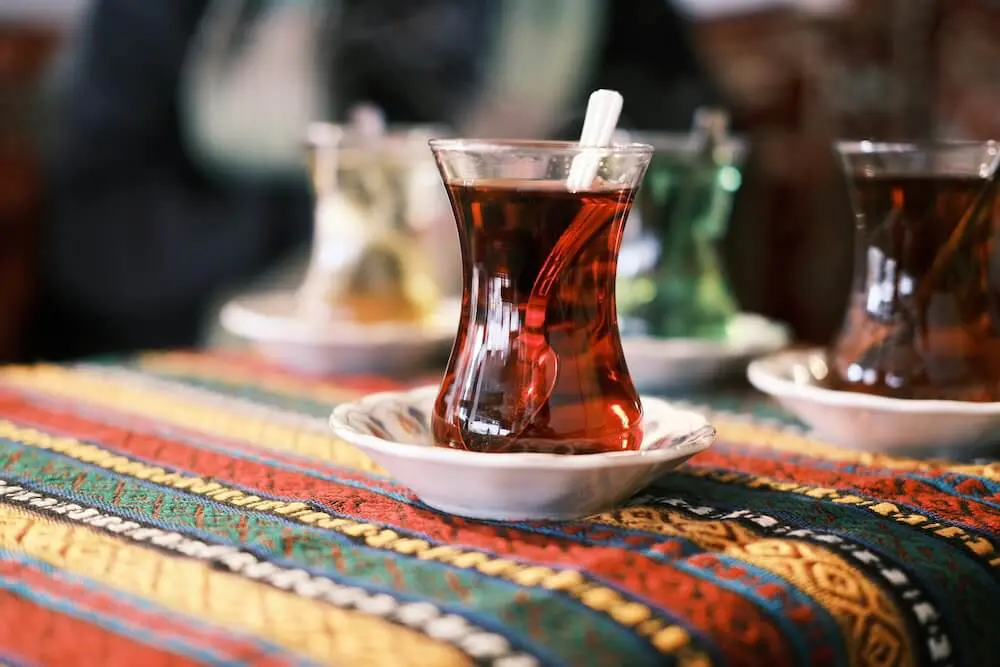
Why translate your business materials into Turkish?
A large, young consumer market
Turkish consumers are digitally active, and Turkish-language content is needed for e-commerce, apps and services.
Trade and supply chains
Businesses sourcing textiles, automotive parts, food and manufactured goods from Türkiye benefit from accurate Turkish contracts, specifications and compliance documents.
Legal and regulatory requirements
Product information, contracts and public-facing documents in Türkiye carry Turkish-language requirements in many sectors.
Turkish communities in Europe
Turkish speakers in the UK and Germany are significant customers, patients and employees, and prefer to receive information in Turkish, particularly on finance, health and legal matters.
Medical tourism and travel
Patients and visitors from Türkiye and Turkish-speaking communities respond to multilingual hospitality and healthcare materials.
Getting Turkish right
The agglutinative structure, vowel harmony, formal and informal address (siz and sen) and the conventions of legal and commercial Turkish all need native fluency. Software and encoding must handle the Turkish letters correctly, and in particular the dotted and dotless i, which affects capitalisation, searching and sorting. Machine translation often mishandles word order, suffixes and context in Turkish, and the errors are quickly noticed.
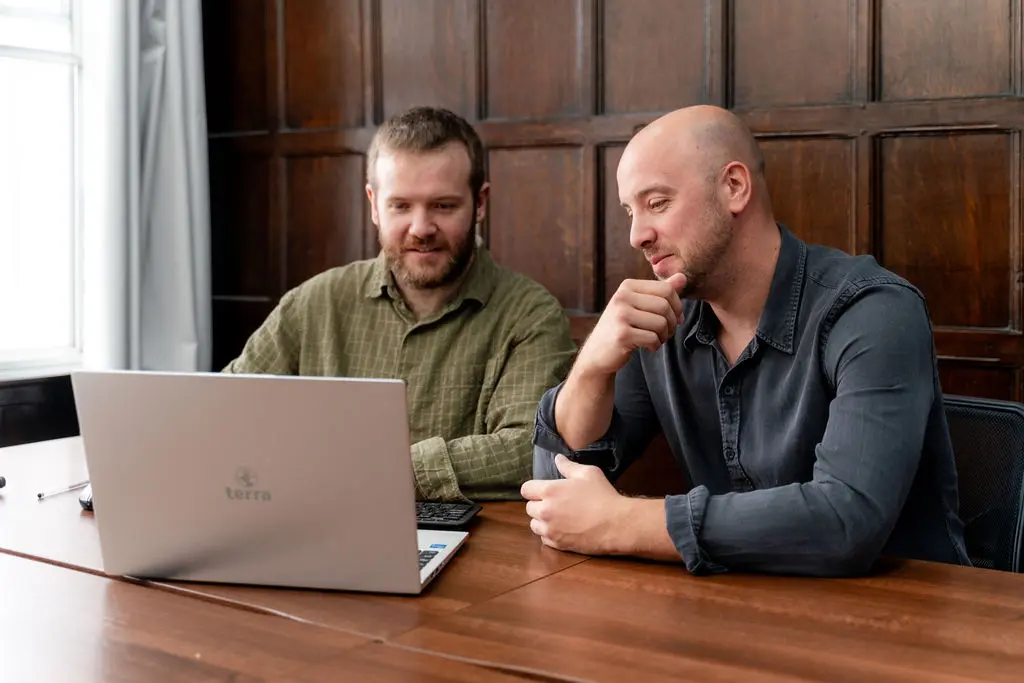
Why trust Atlas with your Turkish translation?
Native Turkish translators with sector expertise
Our Turkish translators are native speakers with subject knowledge across legal, medical, financial, technical, marketing and construction work.
Human translation, always
Every Turkish project is handled by a real person who is a native speaker of the language.
A named project manager on every job
Every Atlas project is led by a dedicated member of our team who takes personal responsibility for quality and delivery, so you will always have someone to call.
ISO-certified quality
Atlas holds ISO 9001:2015 (Quality Management) and ISO 17100:2017 (Translation Services) certifications, and was one of the first UK translation agencies to achieve the latter. We are also members of the Institute of Translation and Interpreting, the Chartered Institute of Editing and Proofreading and the Association of Translation Companies.
Technical care
We pay close attention to Turkish characters, encoding and layout, so that nothing is corrupted in the final files.
35 years of experience
Atlas has been providing Turkish translation for many years. If you have a Turkish project to discuss, we would be glad to hear from you.
Why trust Atlas Translations?


Read more about our commitment to quality
Certified translations by certified humans
Frequently asked questions
How much does Turkish translation cost?
Projects vary in need, length, and complexity. If you’re interested in our services and need a fast cost estimate, use our price calculator. Alternatively, you can request a quote or call us to talk it through on 01727 812 725.
How long does it take?
How long is a piece of string? It really depends.
It’s best to give us a call on 01727 812 725 to discuss your project and we can give you a more precise timeframe. We are known for our speedy turnarounds, though…
Do you work with any language?
Looking for more than just Turkish?
We are confident that we have your needed language covered. From American English to Zulu, we’ve worked on more than 340 languages since 1991, including Latin and Ancient Greek. Read more about the languages we offer.
How do I know I can trust Atlas Translations?
Atlas Translations holds two ISO certifications — ISO 9001:2015 (Quality Management) and ISO 17100:2017 (Translation Services). If the project is confidential, we can sign NDAs for extra peace of mind.
Are you wondering if we’re up to date on privacy? We registered with the Information Commissioner’s Office (ICO) over twenty years ago, and we have always prioritised data protection.
Rad more about our commitment to quality.
Atlas Translations are here to support you. Whether you’re an individual, a SME or a multinational corporation, we can help.
Need a Turkish translation?
Email us on team@atlas-translations.co.uk
Call us on 01727 812 725
Tell us some details and get a quote
Use the chatbox to start a conversation. It’s a real-life human, no bots here! (During UK business hours – we do need to sleep.)
See more options on our contact page.