
Posted on25 August 2026
The EU’s new AI laws, and what they mean for translation
The EU wants us to know when AI is involved. What does that mean for translation?
AI has become very good at producing things that look convincing. Text. Images. Voices. Video. And, of course, translations. The problem is that convincing and correct are not necessarily the same thing. That distinction is at the heart of new EU rules on AI transparency which came into effect on 2 August 2026 as part of the EU AI Act. The principle is actually quite a simple one: people should know when they are dealing with AI, or when content has been generated or manipulated by AI.
Which got us thinking. What does that mean for translation? And perhaps more importantly: is knowing that a human has been involved enough? We don’t think it always is. Because for many types of translation, a human being shouldn’t simply check what AI has produced. A human should actually do the translation.
First, what has actually changed?
The new transparency rules are intended to make it easier for people to recognise AI-generated or manipulated content. They cover things including AI chatbots and agents, deepfakes, synthetic audio and video, and certain AI-generated text. Providers of generative AI systems also have obligations around making AI-generated or manipulated content detectable using machine-readable marking. There are potentially significant penalties for getting it wrong: for companies, fines can reach €15 million or 3% of global annual turnover, although proportionality is taken into account for SMEs. So, this isn’t another set of worthy guidelines which everyone can read, nod at and quietly put in a drawer. It’s legislation.
Alongside it, the EU has produced a voluntary Code of Practice to help organisations comply. Around 190 organisations had signed up by the end of July 2026, including some very familiar names from the world of AI (and a translation company too). The Code is voluntary. The legal transparency obligations aren’t.
So, does every AI translation now need a big sticker saying “MADE BY A ROBOT”?
No. The AI Act doesn’t say that every piece of text which has had AI anywhere near it must be labelled as AI-generated. One particularly interesting requirement concerns AI-generated or manipulated text which is published to inform the public on matters of public interest. And there is an important exception. Where that content has undergone human review or editorial control, and a person or organisation holds editorial responsibility for it, the disclosure obligation does not apply. Now that got our attention.
Because human review and human translation aren’t necessarily the same thing.
A human somewhere in the process isn’t always enough. There is a lot of talk about keeping a “human in the loop” when we use AI. It’s a useful phrase (though not my most favourite one). But, it can also cover an awful lot of ground.
Did the human create the translation? Did they professionally post-edit machine-translated content? Did they check a few sentences? Did they read it through quickly before someone pressed Publish? Were they able to raise queries, and have them resolved?
Those aren’t the same thing. And in translation, the distinction matters.
Technology isn’t new to our industry. We’ve been using translation memories, and terminology databases, others have used automated quality checks and machine translation for years. Atlas also offers machine translation post-editing (MTPE) where it is appropriate and where a client has specifically chosen that service. With MTPE, machine translation is part of the agreed process and a professional human translator post-edits the output to an agreed standard.
What we don’t offer is AI translation. In fact, our official policy for Atlas translators is very clear: they should not use AI translation tools for our clients’ work unless we have specifically asked them to do so. That’s partly about quality. It’s partly about confidentiality and data security. But it’s also about something much simpler:
If you’ve asked us for human translation, that’s what you should get.
You shouldn’t discover that your document was actually translated by AI and a human was brought in afterwards to tidy it up.
Sometimes (probably more often than you think) the human needs to do the translating
For some content, MTPE can be an entirely sensible choice. Perhaps, high volumes of lower-risk material, for example, may be suitable for machine translation followed by professional human post-editing. It can offer clients advantages in speed and cost. That’s why we offer it. But there are other situations (more common, I would argue) where we believe human translation isn’t an optional extra or a reassuring final quality check.
It’s imperative.
Imagine patient information where a misunderstanding could affect someone’s health. Instructions for a medical device. A witness statement where the precise choice of a word matters. A contract where an apparently tiny change could alter the meaning of a clause. Safeguarding information. Highly sensitive legal or financial material. Or creative and brand content where tone, humour, nuance and cultural understanding are the whole point.
These aren’t situations where we’d want AI to produce the translation and a human to act as the safety net afterwards. We’d want a suitably qualified, experienced human translator to understand the source, make the translation decisions and create the translated text. Because translation isn’t simply about spotting errors in something that’s already been produced. The decisions are the translation.
A professional translator is making decisions from the moment they start reading. What does the writer actually mean here? Is this terminology correct for this particular jurisdiction? Will the intended audience understand it? Is the source text ambiguous? Is there a cultural reference that simply won’t work in another language? Does this phrase mean what the client thinks it means? Has an important qualification disappeared? Does the translated version carry the same legal, medical, technical or cultural meaning? And occasionally: Are you absolutely sure that’s what you meant to say?
Those decisions aren’t an optional quality-control stage bolted onto the end. They are the translation. And they’re one of the reasons we rather like it when our translators ask questions. At Atlas, we care enough to ask.
This isn’t an argument against technology
We’re not Luddites at Atlas. We’ve been translating since 1991. If we’d refused to adopt every useful new piece of technology that appeared during those 35 years, we’d probably still be waiting for translations to arrive by fax. Technology changes. Our responsibility doesn’t. We use technology where it genuinely helps us deliver a better and more efficient service.
We use translation memories and terminology tools.
We offer MTPE when it’s the right solution. And we keep a very close eye on AI because we’d be rather foolish not to. The important thing is knowing which approach is appropriate for which job. The method should fit the material, the purpose and the risk. For some content, speed and volume may be the priority. For other content, getting every nuance right really matters. And when getting it right really matters, we believe the human should be there from the first word – not brought in at the end to see what the machine has done.
Transparency could be very good news for buyers of translation
This is why the EU’s emphasis on transparency interests us so much. Because one of the problems created by generative AI is that it can be surprisingly difficult to know what you’re actually buying. A translation may have been completed by a professional human translator. It may have been machine translated and professionally post-edited. It may have been generated by AI and then reviewed by a human. It may have been generated by AI with very little human involvement at all.
At first glance, the finished translations might look remarkably similar. But those are very different services. They involve different processes, different levels of human expertise and different risks. They may be suitable for completely different purposes. Clients should know which one they’re getting.
“A human was involved” isn’t really enough information.
What did the human actually do? What did the technology do? Was AI used? Was that agreed with the client? Who made the translation decisions? And who takes responsibility for the finished result? Those are increasingly sensible questions for anyone buying language services.
Look out for the little AI symbol
The EU has also designed a set of icons which can be used to tell people that content has involved AI. There is a general AI icon, alongside Fully AI-Generated and Partially AI-Modified versions. The icons themselves aren’t compulsory – organisations can meet disclosure obligations in other ways – but where the AI Act requires disclosure, the requirement itself isn’t optional. Apparently the EU tested the icons on actual humans too. Perhaps unsurprisingly, people understood them better when the little symbol was accompanied by words explaining what it meant.
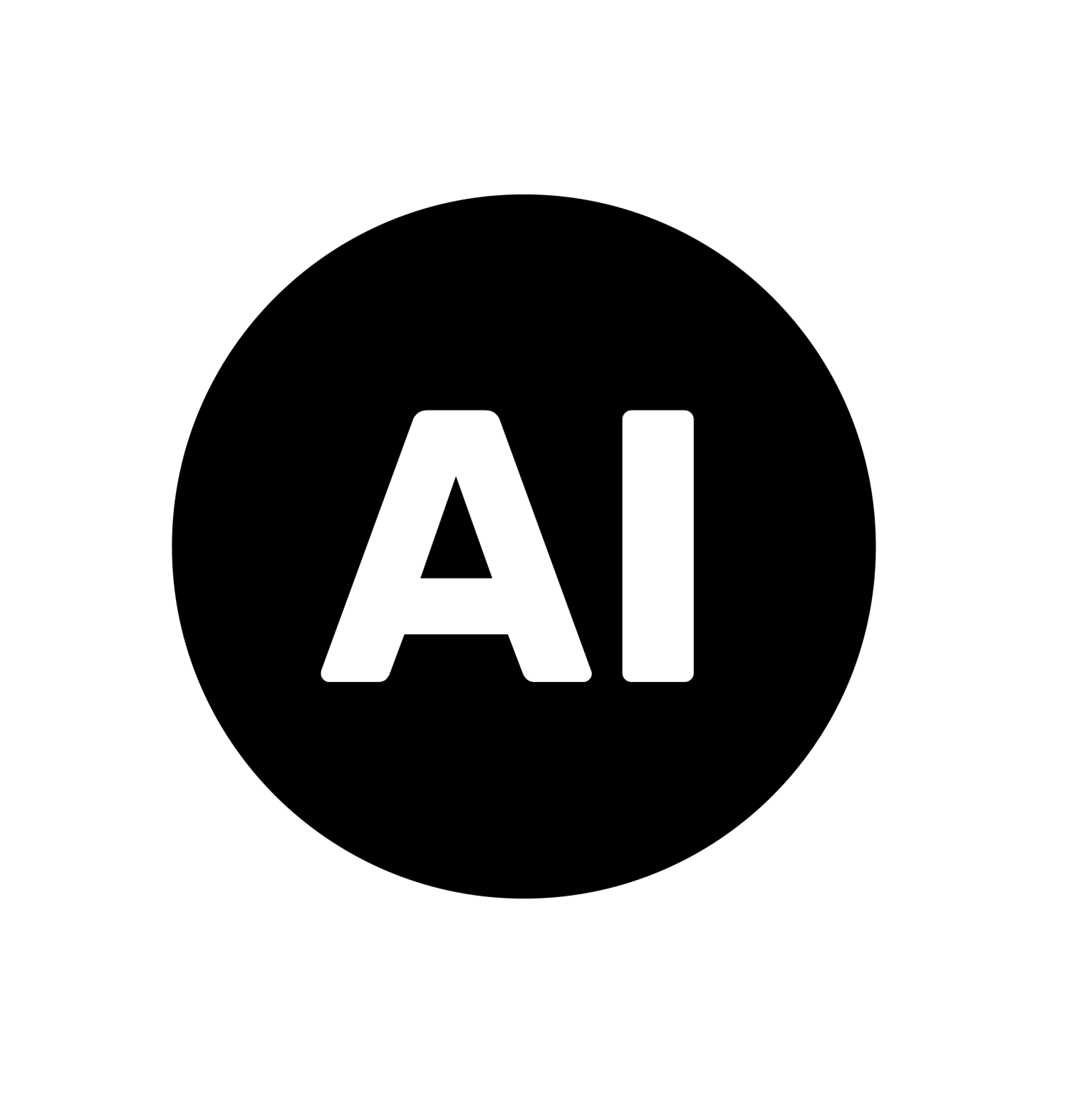
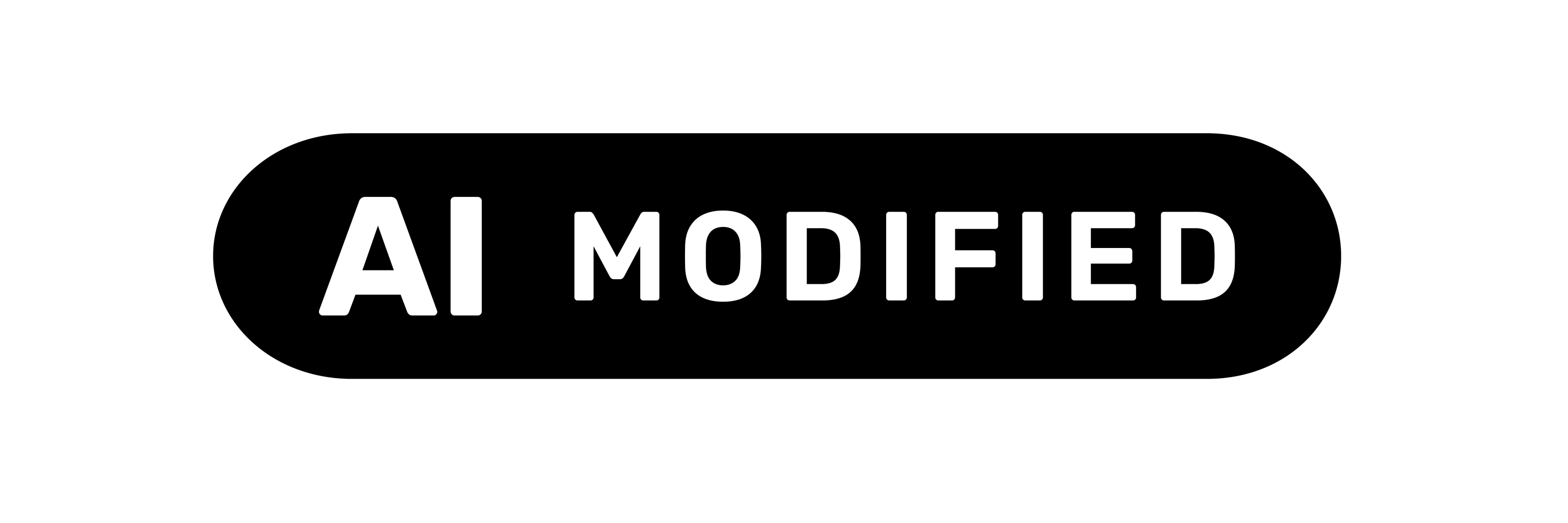
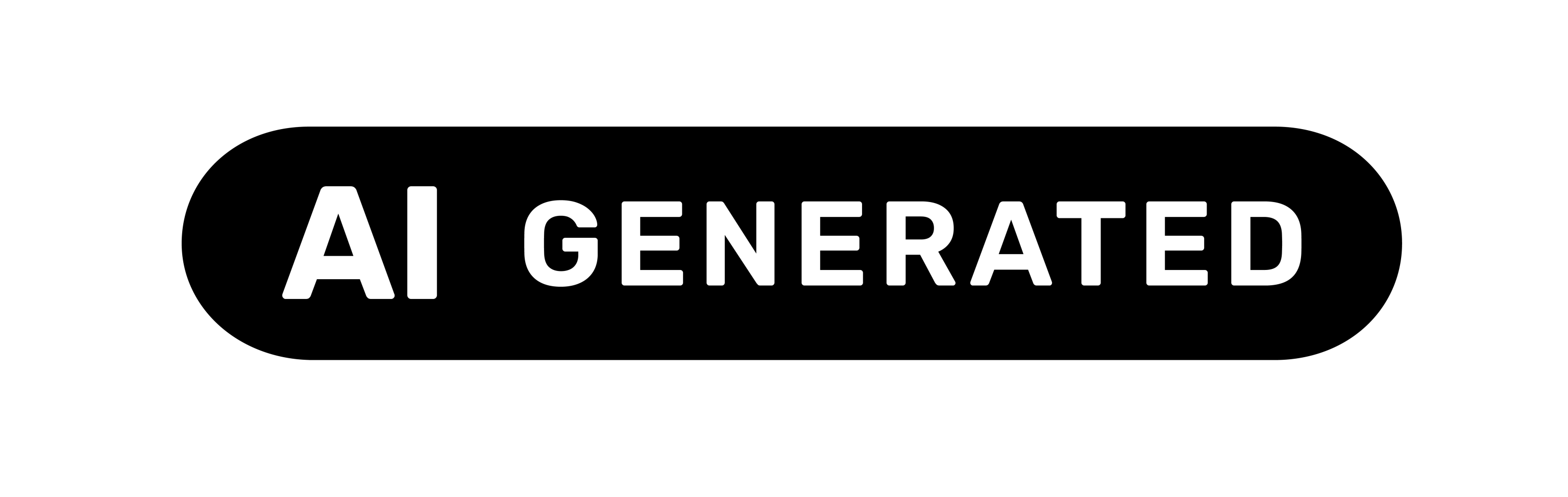
The three new AI icons (downloadable here).
Which does make us wonder – will we eventually become accustomed to seeing AI labels on content in much the same way that we’re now used to sponsored-content labels and cookie notices? And might we one day see something similar next to a translation?
It raises some interesting questions
If an organisation uses AI to generate public-facing content and then sends that content for human translation, where should the transparency sit? If the original English was AI-generated but the French translation was completed entirely by a professional human translator, what should the reader be told? If AI produces a translation and a human reviews it, how much human involvement is enough? What exactly constitutes meaningful human review? And what does “editorial responsibility” mean when content has been translated into another language?
There will undoubtedly be plenty more discussion about all of this as the legislation beds in.
But there’s a much simpler question organisations can ask their language suppliers right now:
Do you actually know how your translations are being produced?
Because that’s no longer a nerdy translation industry question. It’s a procurement question. It’s a confidentiality and data security question. It’s a compliance question. And, depending on what you’re translating, it can be a patient safety, legal or reputational risk question too.
Perhaps we’ve been asking the wrong question
For the last few years, everyone has been asking: “Can AI translate this?”
Well, yes. It can, with varying degrees of success. That’s not really the interesting question any more. The better questions are:
- Should AI translate this at all?
- Does the client know how their translation is being produced?
- Does this content need a human to review the translation – or a human to actually translate it?
- What are the consequences if it’s wrong?
- And who takes responsibility for the finished result?
The EU AI Act doesn’t answer all of those questions for the translation industry. But its emphasis on transparency points us in what we think is a very sensible direction. Use technology when it’s appropriate. Be clear about what you’re using. Don’t quietly give a client something different from the service they thought they were buying. And recognise that for A LOT of content, human translation isn’t just nice to have. It matters.
We’ve been banging on about that last bit for quite some time.
And, in the interests of full transparency: I used AI to help me structure and edit this blog. I reviewed it, argued with it, changed it, and I take responsibility for the finished article. Which feels like an appropriately meta way to end a blog about AI transparency.
Clare Suttie is Director of Atlas Translations – an award-winning, ISO-certified language services partner that combines human expertise with exceptional care. We help you communicate accurately, confidently and compliantly across languages. Our experienced project managers and specialist linguists work as an extension of your team, delivering translation, interpreting and localisation services that protect your reputation, support compliance and help your message achieve its purpose.