
Posted on17 March 2026
How to Brief Your Translation Agency (And Why It Makes All the Difference…)

If a translation project has ever been sent back to you needing more revisions than you expected, or taken longer than it should have, the brief is worth looking at first. Not the agency, not the translator, but the brief.
It’s one of the most common sources of friction in translation projects, and also one of the easiest to fix. When a professional translation service has the right information upfront, everything moves faster, smoother, and with far fewer surprises. This week, we’re going to cover the “how to” and the “why you should” when it comes to briefing your translation agency partner.
What can we help with today? Call us on +44 (0)1727 812 725 or email us at team@atlas-translations.co.uk – we’re only a call, chat, or email away, and we’re always happy to help!
Why the Brief Matters More Than You Might Think
A translation agency can only work with what it’s given. When the brief is vague, translators are left filling in the gaps themselves. Which means when they make judgment calls on tone, terminology, and style, the result may not be what you had in mind. That’s where revision rounds come from, but that’s a story for another day.
A well-written brief isn’t extra admin. It’s the thing that keeps everyone working towards the same outcome from day one. Think of it less as a form to fill out and more as a conversation starter. The information you share upfront is the foundation on which the whole project is built, so there’s absolutely no pressure there, whatsoever.
Know Your Audience (and Then Tell Us About Them)
The target audience shapes every decision a translator makes. A patient-facing leaflet reads very differently from a regulatory submission, even when the subject matter overlaps. Medical document translation services handle both, but the approach to each is quite distinct.
Be specific about who will read the final document and what they need to take away from it.
Consider:
- Reading level and health literacy, particularly for patient-facing materials
- Regional or cultural considerations, if the document is going into multiple markets
- Whether the content needs to land with a specialist audience or a general one
Getting this right upfront means the translator is working to the right register from the get-go, rather than discovering a mismatch at the review stage.
Let’s look at a hypothetical example: There’s a pharmaceutical company briefing for a patient information leaflet intended for non-specialist readers across three European markets. A good translation partner would flag all of those above-mentioned specifics upfront, rather than leaving the translation team to make assumptions.
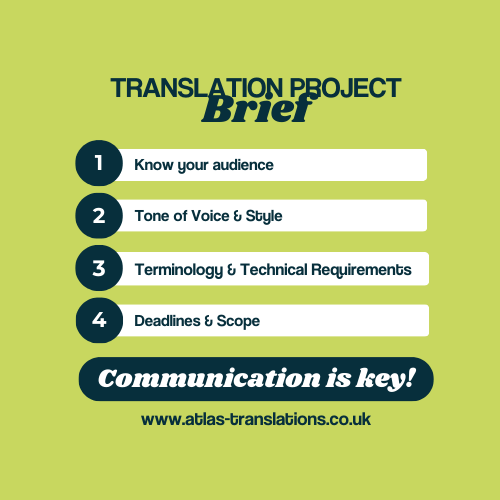
Tone of Voice and Style Preferences
This is one of the most common sources of revision requests, and it’s almost entirely avoidable. Many clients assume the agency will instinctively know the right register. In practice, “formal, but approachable” is similar to “business casual” because it means something different to everyone.
If your organisation has brand guidelines that include tone-of-voice guidance, share them. Previous translations you were happy with? Great, include them as a reference. Does the content sit within a regulated industry, such as pharmaceuticals? This is a prime example of the need to make sure your translation brief reflects any industry-specific language requirements.
The more the agency understands your voice before work begins, the less back-and-forth there is once the draft lands in your inbox. In regulated industries, efficiency is convenient, and it will have a direct impact on project timelines.
Terminology and Technical Requirements
In regulated industries, consistency across documents is not optional for any type of translation project (e.g., medical translation, pharmaceutical translation, engineering translation). Regulators notice when terminology shifts between submissions, and patients notice when the language in a leaflet doesn’t match what they’ve been told verbally.
If your organisation has preferred terminology, product-specific naming conventions, or a glossary, don’t be afraid to share it. If a translation memory exists from previous projects, flag it. These tools exist to protect consistency! In a regulatory context, that consistency can be the difference between a smooth submission and a request for clarification that costs you weeks.
If you or your organisation doesn’t have a glossary yet, that’s worth mentioning too. A good UK-based translation agency can help build one over time, making it increasingly valuable the more you work together on language projects.
Deadlines and Scope
Practical details matter more than people often realise. Be clear about:
- The actual deadline, rather than a friendly, “oh, whenever you can get to it” version of it
- Whether the project is part of a wider rollout with dependencies elsewhere
- The number of languages, document formats, and whether desktop publishing support is needed
- Whether the document is likely to need future updates, which affects how the files are handled
A realistic timescale will make for better work. Yes, if there’s a genuine urgency (see the first point above), say so! But it’s also important to be mindful of building in unnecessary pressure. It rarely helps anyone, and it can affect the quality of the final output.
A Translation Brief Is a Two-Way Thing
A professional translation service that asks questions before starting a project is doing exactly what it should do. The project brief is where that conversation begins.
Clients who come prepared tend to get faster turnarounds, fewer revisions, and results that genuinely reflect their needs, and that sounds good in any language.
If you’re not sure where to start, Atlas Translations is happy to talk through a project before the brief is even written.
We’d Love to Hear From You!
You can call us on +44 (0)1727 812 725 or email team@atlas-translations.co.uk. We respond quickly to all enquiries and are always happy to chat about your needs.
If you’d like to visit us in person to learn more about our services or drop off documents, just call or email us to arrange a time.
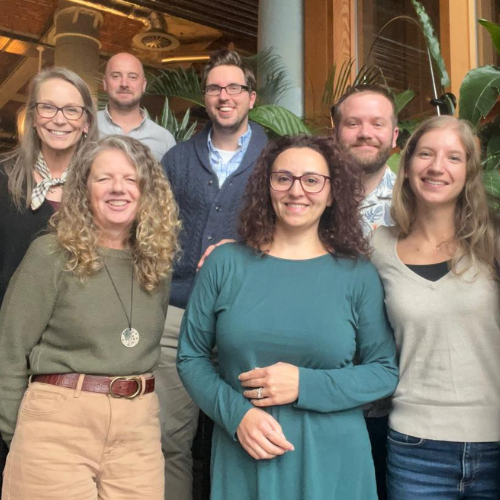
The A-Team (back row: Anna, Jim, Alex, and Rhys; front row: Clare, Steffi, and Joanna)
You can use the live chat button during UK business hours, or click the envelope to leave us a message when we’re not in the office. Plus, you can also use our Get a Quote button at the top of the website for a quick price estimate.
Can I Trust Atlas Translations?
Atlas Translations is certified to ISO 9001:2015 (Quality Management) and ISO 17100:2017 (Translation Services) standards. For confidential projects, we’re happy to sign a non-disclosure agreement (NDA). Registered with the Information Commissioner’s Office (ICO) for over 20 years now, reflecting our long-standing commitment to privacy and data protection.
We’re proud to provide fast, friendly, high-quality services—but don’t just take our word for it. Check out our client testimonials and TrustPilot reviews.
Global Voice, Local Touch
If you’re looking for some top tips for partnering with Atlas Translations, we have some top tips to share! We answer 25 of our clients’ most frequently asked questions, ranging from typesetting queries to discussing reference materials.
Click to download Global Voice, Local Touch