Portuguese translation
Portuguese is the language of the world’s first truly global empire, and its European homeland remains a small, prosperous, increasingly international country at the south-western edge of the continent. European Portuguese is the variety spoken in Portugal and used in much of Lusophone Africa and Asia, and it differs from Brazilian Portuguese in spelling habits, vocabulary, grammar and tone. If your business is working in Portugal, Angola, Mozambique or the large Portuguese communities across Europe, this is the page for you.
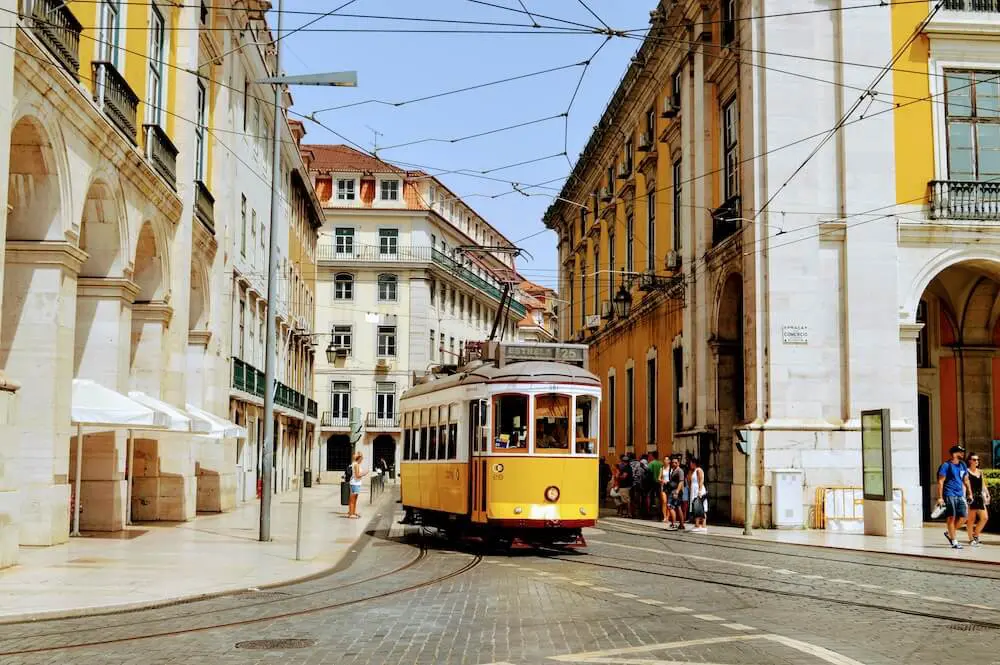
A language that crossed the oceans
Portuguese is a Romance language that developed from Latin in the north-west of the Iberian Peninsula. It spread around the world from the 15th century with Portuguese navigators and traders, reaching Africa, Asia and Brazil, and it left a lasting mark on the languages and cultures it met. Today it is the official language of nine countries and is spoken by well over 250 million people, most of them in Brazil.
Portugal has produced famous writers. Luís de Camões wrote the national epic Os Lusíadas, Fernando Pessoa is one of the great modernist poets, and José Saramago won the Nobel Prize in Literature in 1998. Portuguese music, particularly fado, is closely tied to the language and its feeling of saudade, a longing for something absent that is often said to be untranslatable.
European and Brazilian Portuguese
The two varieties are mutually intelligible but not interchangeable. Vocabulary differs (telemóvel in Portugal and celular in Brazil), grammar and forms of address differ, and the written tone of marketing and official text varies too. A shared spelling agreement has narrowed the written gap, but a text written for Brazil still reads as Brazilian in Portugal. We always ask which market you are targeting and match the translator accordingly.
Where European Portuguese is spoken
Portugal
Portugal has around 10.3 million people. Lisbon is the capital and business centre, Porto is the second city and a hub for industry, wine and services, and the Algarve and the islands of Madeira and the Azores are major tourism destinations. Portugal has been an EU member since 1986 and uses the euro.
Lusophone Africa
Angola and Mozambique each have populations of over 30 million and Portuguese is their official language, used alongside many local languages. Cape Verde, Guinea-Bissau and São Tomé and Príncipe also use Portuguese officially. African Portuguese has its own vocabulary and influences, which matter for local audiences, and these markets are important for oil and gas, mining, construction and development work.
Asia and Equatorial Guinea
Portuguese is an official language in Timor-Leste and one of the official languages of Macau, and it is also official in Equatorial Guinea.
The Portuguese diaspora
Portuguese communities are large across Europe and the world. France and Switzerland have long-established communities, Luxembourg has a particularly high share of Portuguese residents, and Germany, the UK, Canada, the United States, Venezuela and South Africa also have substantial communities.
Key industries in Portuguese-speaking markets
Tourism and hospitality
Portugal is one of Europe’s leading destinations, with Lisbon, Porto, the Algarve, Madeira and the Azores attracting millions of visitors. Hotels, tour operators, restaurants and property companies generate constant multilingual content.
Wine, food and cork
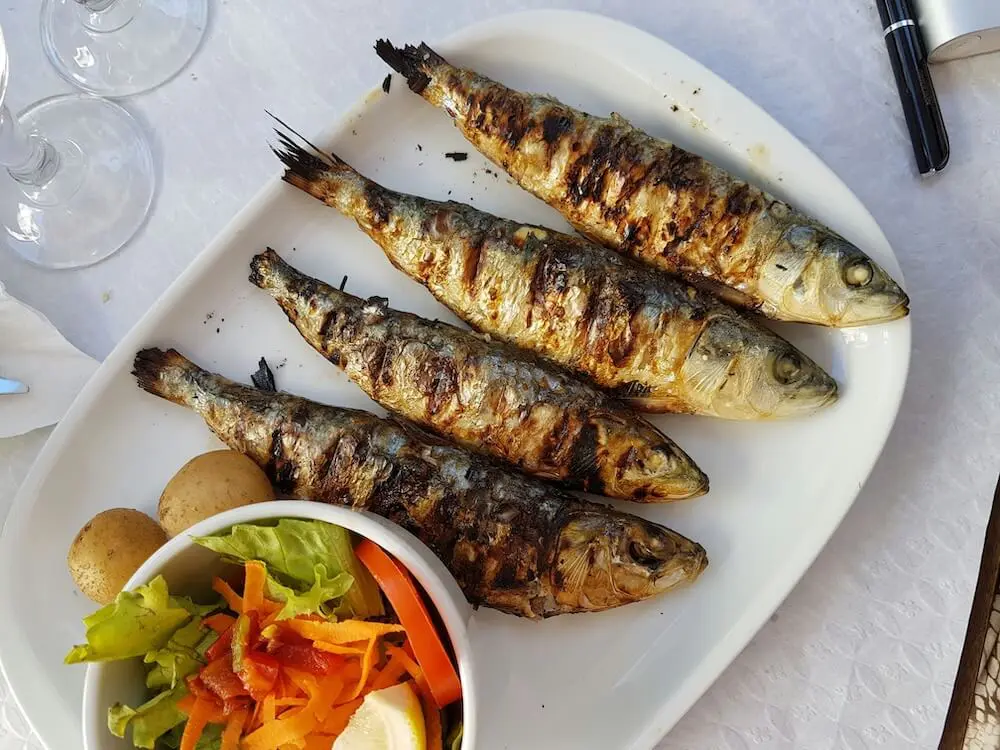
Port, Douro and Vinho Verde wines, olive oil, canned fish and cheeses are major exports, and Portugal is the world’s largest cork producer. Labelling, certification and export documentation need careful translation.
Textiles, footwear and manufacturing
Portugal has a strong textile, clothing and footwear industry supplying European brands, along with automotive manufacturing, including the large Autoeuropa plant near Lisbon, and a component supply chain.
Renewable energy
Portugal has a high share of renewable electricity, with wind, solar and hydro, and is investing in green hydrogen. Energy projects generate technical and regulatory documentation.
Technology and startups
Lisbon has become an active technology hub, and the Web Summit conference has put it on the global startup map. International technology and service companies have established operations there.
Financial services and insurance
Portugal’s banking and insurance sectors are well established and regulated at EU level, generating regulatory, compliance and client documentation.
Real estate and construction
Foreign investment in Portuguese property has been strong, and transactions, planning documents and construction contracts frequently need translation.
Oil, gas, mining and construction in Lusophone Africa
Angola and Mozambique have major resource sectors and large infrastructure programmes, generating contracts, tender documents and technical specifications in Portuguese.
“I highly recommend Atlas Translations. They helped me out with the translation of tax documents. They provide a quick and reliable service. And I would 100 % use them again next time I need a document translated. Special thanks to Stefania who has been of great help.”
Why translate your business materials into European Portuguese?
Portuguese consumers expect Portuguese
English is widely understood in Portugal, but Portuguese content builds trust, and legal documentation, consumer information and contracts must be in Portuguese.
It is the key to Lusophone Africa
Angola and Mozambique are significant markets where official, legal and commercial documents are in Portuguese, with European Portuguese forms often used as the written standard.
Brazilian Portuguese will not feel right
Using a Brazilian translation for Portugal, or the other way round, reads as foreign. Local vocabulary, forms of address and spelling habits all matter.
The diaspora is large and loyal
Portuguese communities in France, Switzerland, Luxembourg, the UK and beyond respond well to brands that speak their language.
Tourism and property are international businesses
Multilingual marketing, including European Portuguese for domestic customers and partners, is part of operating professionally in these sectors.
Getting European Portuguese right
Vocabulary, forms of address, the use of pronouns and clitics, spelling habits and the formality of written text all mark European Portuguese. Machine translation often produces Brazilian forms or a mix of both varieties, and Portuguese readers notice at once. Angolan and Mozambican usage has its own features that are worth considering for local audiences.
Why trust Atlas with your European Portuguese translation?
Native Portuguese translators from Portugal
Our European Portuguese translators are native speakers, and we can match for African Portuguese audiences where relevant.
Sector expertise
Tourism, wine and food, energy, finance, legal, property and technology all have translators with subject knowledge.
Human translation, always
Every European Portuguese project is handled by a real person who is a native speaker of the language.
A named project manager on every job
Every Atlas project is led by a dedicated member of our team who takes personal responsibility for quality and delivery, so you will always have someone to call.
ISO-certified quality
Atlas holds ISO 9001:2015 (Quality Management) and ISO 17100:2017 (Translation Services) certifications, and was one of the first UK translation agencies to achieve the latter. We are also members of the Institute of Translation and Interpreting, the Chartered Institute of Editing and Proofreading and the Association of Translation Companies.
35 years of experience
We have worked with Portuguese in its different varieties for many years. If you have a European Portuguese project to discuss, we would love to hear from you.
Why trust Atlas Translations?



Read more about our commitment to quality
Certified translations by certified humans

Frequently asked questions
How much does Portuguese translation cost?
Projects vary in need, length, and complexity. If you’re interested in our services and need a fast cost estimate, use our price calculator. Alternatively, you can request a quote or call us to talk it through on 01727 812 725.
How long does it take?
How long is a piece of string? It really depends.
It’s best to give us a call on 01727 812 725 to discuss your project and we can give you a more precise timeframe. We are known for our speedy turnarounds, though…
Do you work with any language?
Looking for more than just Portuguese?
We are confident that we have your needed language covered. From American English to Zulu, we’ve worked on more than 340 languages since 1991, including Latin and Ancient Greek. Read more about the languages we offer.
How do I know I can trust Atlas Translations?
Atlas Translations holds two ISO certifications — ISO 9001:2015 (Quality Management) and ISO 17100:2017 (Translation Services). If the project is confidential, we can sign NDAs for extra peace of mind.
Are you wondering if we’re up to date on privacy? We registered with the Information Commissioner’s Office (ICO) over twenty years ago, and we have always prioritised data protection.
Rad more about our commitment to quality.
Atlas Translations are here to support you. Whether you’re an individual, a SME or a multinational corporation, we can help.
Need a Portuguese translation?
Email us on team@atlas-translations.co.uk
Call us on 01727 812 725
Tell us some details and get a quote
Use the chatbox to start a conversation. It’s a real-life human, no bots here! (During UK business hours – we do need to sleep.)
See more options on our contact page.