
Posted on9 December 2025
Boost Your Holiday Marketing Campaigns With the Translation and Localisation Power Duo
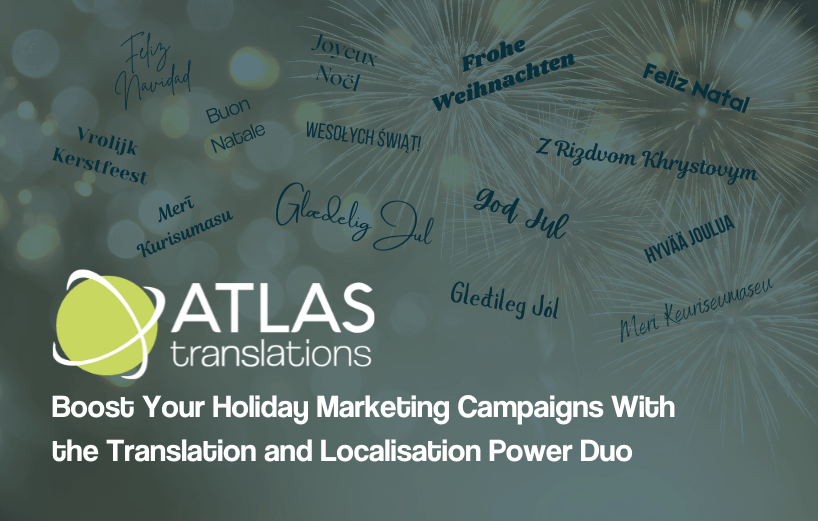

Holiday campaigns have a habit of travelling further than we expect. A festive slogan created in London might pop up in Mumbai or Melbourne within hours. Yes, that speed is exciting, but it also brings the quiet challenge of understanding how your audience experiences their “holiday season”.
If your brand tends to lean on one-size-fits-all messaging, things can start to slip. What feels warm and familiar in one country can come across as confusing, irrelevant, or even insensitive in another. That’s where the power duo of translation and localisation becomes the difference between a hit holiday marketing campaign and one that misses the mark entirely 😟
What can we help with today? Call us on +44 (0)1727 812 725 or email us at team@atlas-translations.co.uk – we’re only a call, chat, or email away, and we’re always eager to help!
Holiday Campaigns Aren’t Universal, So Let’s Stop Pretending They Are
The global holiday period is often treated as a single event. In reality, it’s a patchwork of celebrations, beliefs, and seasonal cues. Translation lets us know that some countries mark Christmas with religious observance, while others treat it as an agnostic holiday. And, some don’t observe it at all. Many people celebrate holidays that are entirely different around the same time of year.
At this point, localisation helps brands move away from the assumption that everyone approaches December the same way. Instead of pushing a “global message,” it encourages thoughtful adaptation, something global audiences increasingly expect.
Why Translation and Localisation Matter More Than Ever
This year’s holiday campaigns are being shaped by two major forces: the rise of AI-generated content and the continued explosion of global online shopping.
AI Can Create Volume, But Localisation Creates Connection
AI tools can produce festive content in seconds. They’re helpful for ideation and speed, but the output often feels generic. Tone, nuance, and cultural references rarely land with the emotional weight that human audiences usually respond to.
Localisation steps in as the antidote. It brings empathy, intent, and cultural understanding back into the creative process.
Global Shopping + Translated Global Messaging = Higher Stakes
Shoppers now browse and buy across borders as casually as they shop locally. That means holiday campaigns must reflect regional expectations, from delivery dates and promotional timing to the tone of festive messaging.
The closer a brand gets to sounding “local,” the more trust it earns.
Visual Culture Moves Faster Than Language
It’s always necessary to translate a slogan. But remember, imagery also carries meaning. Colours, clothing, family structures, humour, and even the weather signal cultural familiarity.
A winter-themed snowy advert looks charming in Sweden. In South Africa, where December is high summer, it doesn’t make much sense. Localisation bridges that visual gap by adapting images with the same intentionality applied to text.
Where Holiday Campaigns Often Miss the Mark
It’s easier than you’d think for a campaign to go sideways, especially when brands rely on assumptions.
Treating “Christmas” as a Universal Event
Some countries celebrate on December 24, some on December 25, and others wrap their festivities into January. Many people don’t observe a religious Christmas. Marketing that treats Christmas as the default risks alienating audiences who don’t connect with it.
Using Imagery That Doesn’t Translate Culturally
Snowflakes and cosy jumpers are appealing if the local weather matches the vibe. But in countries where December is hot and humid, that imagery feels out of place. The same goes for religious symbolism used in global markets, where the actual holiday has a secular tone.
Forgetting Local Regulations and Buying Patterns
Retail calendars vary by region. Restrictions on festive advertising differ, too. Promotions that work beautifully in one country may not be appropriate (or legal 😳) in another. Localisation helps brands avoid missteps that could damage both reputation and trust.
What Good Translation and Localisation Look Like
At its best, translation and localisation give campaigns a sense of intention. It tells audiences, “We see you. We made this with you in mind.”
Adapt the Message, Not Just the Words
The tone matters just as much as the meaning. A warm, quirky message may resonate in one country while feeling too informal in another. Localised copy takes those expectations into account rather than relying purely on translated phrasing.
Align with Local Holiday Calendars
Holiday periods differ dramatically. Some audiences celebrate Lunar New Year, Diwali, Hanukkah, or Eid during the wider “festive season.” Localisation widens the lens so that messaging feels relevant to more than just Western Christmas traditions.
Rework Imagery with Purpose
As we mentioned above, visual culture moves faster than words. In which case, localisation might include:
- Regional colour symbolism
- Local landmarks or scenery
- Culturally familiar festive motifs
- Weather-appropriate settings
These tweaks help global audiences feel included rather than treated as an afterthought.
Make Digital Touchpoints Feel Native
Holiday campaigns don’t stop at an advert. They continue onto landing pages, emails, checkout flows, and social media. When each step feels consistent and culturally natural, audiences are far more likely to engage.
Real Examples of Successful Holiday Localisation
Some of the most recognisable global brands already rely heavily on localisation; not because they have to, but because it boosts brand connection.
- Coca-Cola’s Festive Ads: Coca-Cola nails it (just about) every year by adapting its holiday campaigns to reflect local traditions, from music (“I’d Like to Buy the World a Coke”) to cultural imagery. In the Holiday Spirit, we’ll forgive recent offerings 😏
- Luxury Fashion for Lunar New Year: Big brands like Gucci and Prada create special collections for the Lunar New Year, blending traditional elements with their signature styles.
- Music Makes The World Go Round: Every year, Spotify releases its “Wrapped” campaign featuring a global round-up of your personal and <cough> eclectic music tastes. We apologise for nothing—the Spice Girls will always be relevant! ✌️
- It’s Not Christmas In The UK: …until organisations start to release their annual tug on the heartstrings ads. One of our faves is the Hedgehog being gifted foam packing peanuts so they can join in on their classmate’s fun. A perfect way to make sure everyone is included during the holidays, but can you please stop peeling onions!

Doable Ideas for Stronger Holiday Localisation in 2025
If you’re planning festive content this year (and many are), here are a few ways to make it land with more intent:
- Create multiple smaller campaign variations rather than relying on one global message
- Work with local creatives, translators, or cultural consultants
- Adjust imagery for regional climates (temperature, and possibly political) and traditions
- Rethink timings for launches, reminders, and post-holiday outreach
- Review assets for cultural sensitivity, avoiding assumptions or stereotypes
Sometimes, size really doesn’t matter, and small adaptations often make the biggest difference!
It’s a Wrap!
It’s getting easier for people to spot generic content, especially during the holidays. Your audience is those people. Translation and localisation can let your brand speak to people in a way that feels personal, culturally aware, and genuinely festive. Your holiday marketing campaign should reflect a region rather than a single, globalised vision. This will allow your brand to build trust, connection, and long-lasting goodwill.
We’d Love to Hear From You!
You can call us on +44 (0)1727 812 725 or email team@atlas-translations.co.uk. We respond quickly to all enquiries and are always happy to chat about your needs.
If you’d like to visit us in person to learn more about our services or to drop off documents (or biccies), just give us a call or email us to arrange a time.
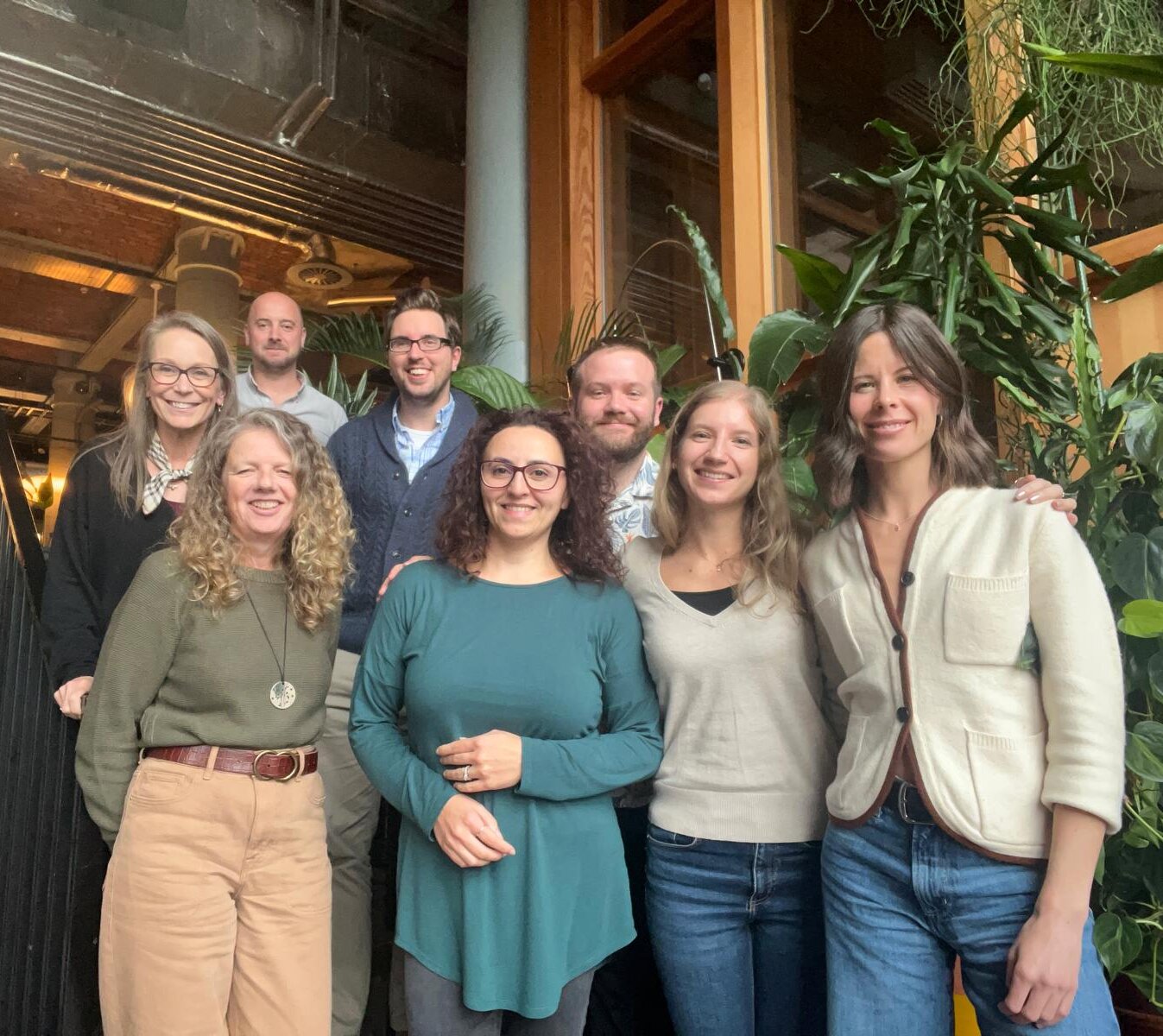
The A-Team (back row: Anna, Jim, Alex, and Rhys; front row: Clare, Steffi, Joanna, and Amy)
During UK working hours, you can also use our Live Chat option (which should be found in the bottom-right corner of the screen). You’ll always be connected with a real person, not a bot!
And if you need a fast estimate, our Get a Quote button at the top of the website makes it easy.
Can I Trust Atlas Translations?
Atlas Translations is certified to ISO 9001:2015 (Quality Management) and ISO 17100:2017 (Translation Services) standards. For confidential projects, we’re happy to sign a non-disclosure agreement (NDA).
We’ve been registered with the Information Commissioner’s Office (ICO) for over 20 years, reflecting our long-standing commitment to privacy and data protection.
We’re proud to provide fast, friendly, high-quality services—but don’t just take our word for it. Check out our client testimonials and TrustPilot reviews.
Global Voice, Local Touch
If you’re looking for some top tips for partnering with Atlas Translations, we have some top tips to share! We answer 25 of our clients’ most frequently asked questions, ranging from typesetting queries to discussing reference materials.
Click to download Global Voice, Local Touch