
Posted on6 October 2026
Sport speaks every language – but sometimes it still needs a translator
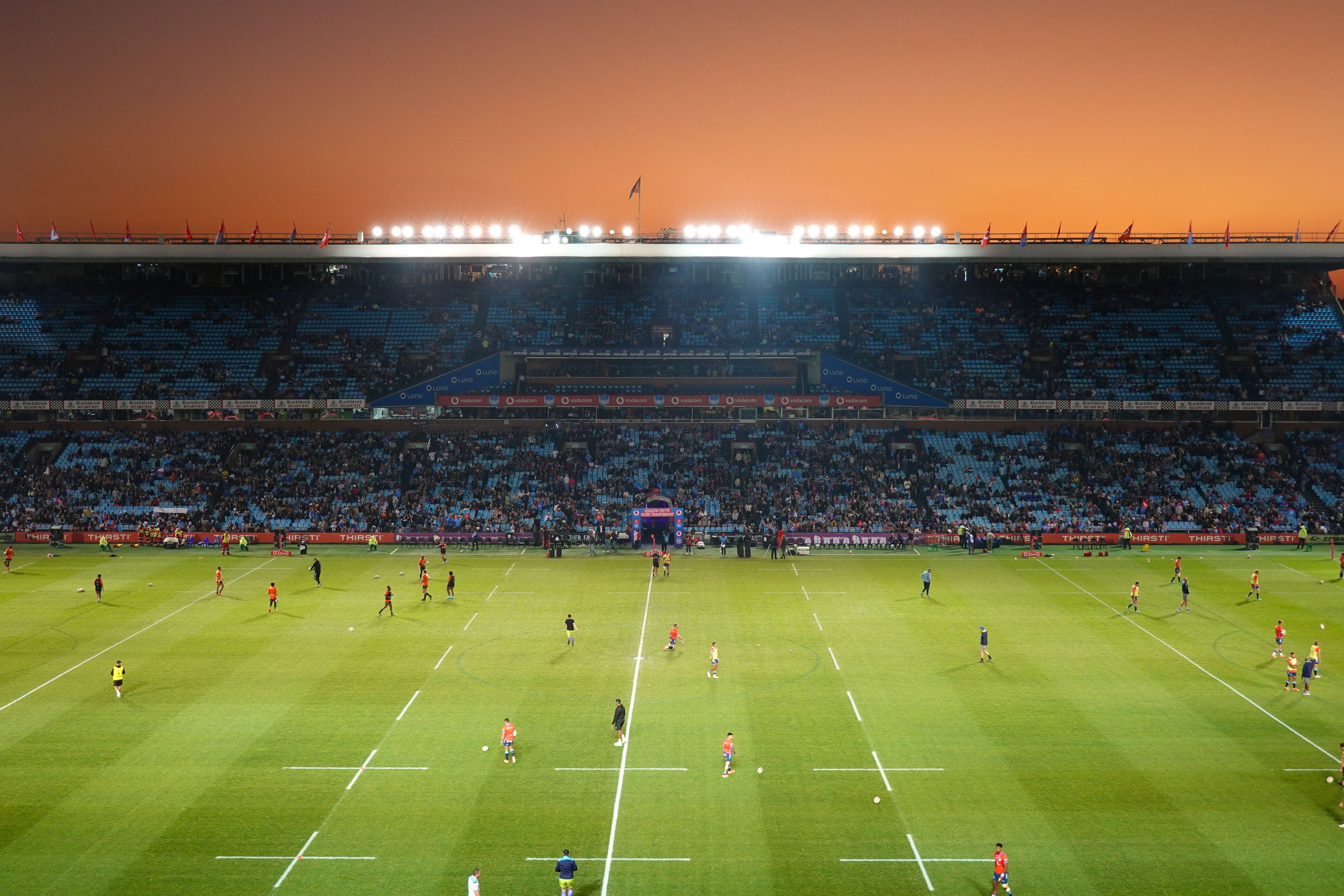
It’s always a bonus when you genuinely enjoy your work. As an avid linguist and keen sports fan, getting the opportunity to combine two of my passions in sports translation is something of a professional dream.
I’ve long since accepted that I’m unlikely to score the winning goal in a World Cup final or send down an ace to win Wimbledon. But being involved behind the scenes – using my language skills and sporting knowledge and, invariably, learning something new along the way – comes a pretty satisfying second.
Sport: the universal language?
Sport plays an extraordinary role in people’s lives.
Many of us can remember exactly where we were when our club, country or favourite athlete achieved something remarkable. From the Paris Olympics to the 2026 FIFA World Cup in Canada, Mexico and the USA, major sporting events can capture the attention of billions of people across national and linguistic boundaries.
And the impact of sport goes far beyond entertainment or the well-documented health and fitness benefits.
Sport can bring together people from very different backgrounds. Governments, charities, governing bodies and sporting organisations use its reach to encourage participation and accessibility, and to support programmes addressing areas such as education, inequality, poverty and opportunities for women and girls.
Sport may sometimes be described as a universal language. But, ironically enough, making international sport actually work involves a lot of translation.
More than match reports and press conferences
When we think about languages in sport, the obvious examples tend to be the most visible ones.
A newly signed international player gives their first press conference with an interpreter. An athlete is interviewed after an Olympic event. A manager’s comments are translated for an international audience. Match reports and sporting news are published around the world.
But that’s really only the beginning.
Behind the scenes, professional sport generates an enormous amount of content – and much of it needs to cross borders.
Take rules and regulations. Every sport has them, and everyone involved needs to understand them clearly, particularly the referees and officials responsible for applying them.
Then there is the legal side of sport. Player and coach transfers, employment contracts, image rights, disciplinary proceedings, commercial agreements, disputes and anti-doping procedures can all involve multiple jurisdictions and languages. Here, translation isn’t simply about making something sound natural; accuracy and consistency can have serious consequences.
Speaking to a global fanbase
Then we have the fans.
Major clubs, teams and athletes no longer communicate solely with supporters in their home country. Their audiences can span continents.
Websites, apps, interviews, social media posts, videos and other digital content give sporting organisations the opportunity to communicate directly with those fans. Making that content available in their own languages can make the relationship far more immediate and engaging.
And where the fans go, the brands tend to follow.
Sport is hugely attractive to advertisers, sponsors and commercial partners. Campaigns involving athletes, clubs and sporting events may need to work across multiple markets – without losing the humour, emotion or cultural references that made the original campaign effective.
A literal translation rarely cuts the mustard.
Knowing your sport matters
There’s another reason I particularly enjoy working on sporting content: subject knowledge genuinely makes a difference.
Football, for example, has a language all of its own.
Screamer. Parking the bus. Route one. Low block. Double pivot. Gegenpressing.
To someone with no interest in football, some of those might sound more like roadworks than tactics.
To a football fan, though, they are instantly recognisable.
That creates an interesting challenge for translators. The translation needs to be accurate, of course, but it also needs to sound as though it has been written by someone who understands the sport.
A technically defensible but unnatural term can immediately jar with a knowledgeable audience. It might not completely change the meaning, but it can damage the credibility of the content.
And sporting language never stands still. New tactics emerge, rules change and new terminology enters everyday use. VAR alone has probably generated enough new vocabulary – and arguments – to keep linguists occupied for years.
When the words have to fit the screen
Video adds another layer of complexity.
International sporting content increasingly includes interviews, behind-the-scenes footage, documentaries, promotional films and the vast quantity of short-form video produced for social media.
That can involve transcription, translation, subtitling and voiceover – sometimes all within the same project.
Subtitling is a particularly good example of why translation involves much more than replacing words in one language with words in another.
The translator has to consider whether the translation physically fits on screen, whether viewers have enough time to read it, where lines should break to make the text easy to understand and whether the subtitle appears at precisely the right moment.
Different languages also express the same idea in very different numbers of words and use different sentence structures. The neat English sentence that fits perfectly into two subtitle lines may become considerably longer in another language.
Something has to give – but not the meaning.
Languages beyond the touchline
Perhaps one of the most interesting intersections between sport and language happens away from elite competition altogether.
Sport is frequently used in community and international development programmes, including projects designed to improve education, inclusion, health and opportunities for disadvantaged communities.
Those programmes can generate research, surveys, participant information, training materials, reports and evaluations across several countries and languages.
Once again, good language provision becomes part of making the project accessible – and ultimately effective.
The right people for the job
At Atlas Translations, we’ve spent more than 30 years matching language professionals to projects where their particular knowledge and experience matter.
Sport is a perfect example of why that approach is important.
Depending on the project, the solution might involve translation, interpreting, transcription, subtitling or voiceover – or a combination of several services. But whatever the format, there is real value in working with linguists who understand the subject, its terminology and, crucially, its audience.
Because a football fan will notice when something doesn’t sound like football. A tennis audience knows its terminology. A governing body needs absolute clarity in its regulations. And a global campaign needs to feel as though it was created for its audience, not simply translated for them.
Sport may bring us together without words.
For almost everything else, however, choosing the right ones still matters.
If you have sporting content that needs to travel – from websites and social media to contracts, interviews, subtitles, voiceovers or multilingual event materials – the Atlas team would be very happy to talk through the best approach. Get in touch with us to discuss your sports translation needs and we’ll be very happy to help.
Alex Millward is a Project Manager at Atlas Translations