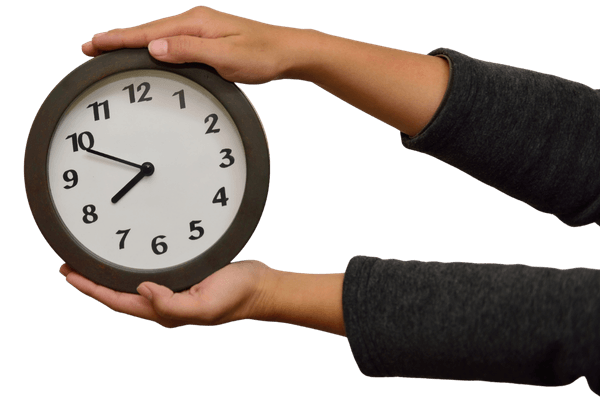
It’s 4:30pm on a Friday, and someone rushes over to your desk with a 20-page pharmaceutical regulatory document that ‘absolutely must’ be translated into German by Monday morning. Such fun! Don’t panic, though. This time it’s just a made-up scenario. But does it sound familiar? Because we’ve all been there in some shape or form. Of course, we’d love to wave our magic wand, but the reality is that quality professional translation takes time. Luckily, that’s actually brilliant news for your project outcomes.
At Atlas Translations, we’ve learned that the most successful translation projects happen when clients understand what goes into delivering exceptional results. So let’s have an honest chat. Let’s be realistic about timelines and why rushing quality work is a bit like trying to make the perfect Victoria sponge in a microwave. Yes, it’s technically possible, but good grief, why would you want to do that!? 😭
Why translation takes time (and why that’s good news)
There’s a world of difference between punching text into Google Translate and professional translation services. When we receive your documents, our process begins long before anyone starts translating. We research your industry, review terminology, and study any background materials you’ve provided. For pharmaceutical translation, this might mean familiarising ourselves with specific regulatory requirements across different markets. For legal translation, it involves understanding the nuances between all the various legal systems.
Cultural adaptation is another crucial factor that automated tools simply can’t handle. A marketing message that works perfectly in Portsmouth might fall completely flat in Munich. Not because of language barriers, but because of cultural expectations and communication styles. Our professional translators don’t just convert words; they adapt your message to meet your target audience whilst maintaining your brand voice.
Then there’s our quality assurance process. Every project goes through multiple review stages because, frankly, mistakes in pharmaceutical documentation or legal contracts aren’t just embarrassing, they can be costly and dangerous.
Factors that affect translation timelines
Yes, there are many. In fact, there are far too many to cover in a single blog post. So, here are three of our top factors:
Document complexity and specialisation
A straightforward marketing brochure and a clinical trial protocol are two very different beasts. Technical documents requiring specialist knowledge take longer because we’re not just translating—we’re making sure every term is precisely correct for your industry. Pharmaceutical translation, for instance, demands familiarity with regulatory standards across multiple countries, whilst legal translation requires an understanding of different legal systems.
Document formatting also plays a role. If your text is embedded in complex layouts with images and tables, we need additional time to maintain the visual integrity whilst adapting the content.
Language pairs and availability
Some language combinations are more straightforward than others. English to French? We’ve got brilliant translators ready to go. English to Icelandic? That might require a bit more scheduling coordination. Regional variations matter too. The French language you learned in school is not the same as Canadian French. These nuances affect both translator selection and timeline planning.
Having said that, time zones can actually work in your favour for certain projects. When our UK team finishes for the day, our international network might just be starting their morning coffee (or afternoon tea, depending on where they are).
Quality level requirements
Our ISO 17100:2017 compliant translation process includes a mandatory proofreading stage by a second qualified linguist. Every document gets a project manager review before it reaches you. This isn’t bureaucracy for the sake of it, it’s what separates professional translation services from basic conversion work.
We also maintain electronic archives for six years, ensuring continuity if you need updates or additional work on related projects. It’s like having a translation memory that actually remembers where you left your biscuits.
Setting realistic expectations: our ISO-certified project management approach
Here’s where our approach gets properly organised. Each client gets a dedicated project manager with a linguistic background. Many of our team speak several languages and genuinely love working with words. Your project manager becomes your single point of contact, providing detailed quotations with clear delivery dates and format specifications upfront.
Along with our ISO 17100:2017 certification, we’re also proud to hold the ISO 9001:2015 certification. Not to brag* or anything, but we’ve passed every external audit with zero non-conformities. These aren’t just fancy certificates for our wall because they represent our commitment to consistent, reliable processes.
Our comprehensive project management checklist ensures nothing falls through the cracks. We review everything from punctuation and formatting to file naming conventions. Queries get resolved immediately, and we log every proofreader report. Most importantly, versions go back to clients exactly when promised.
*absolutely and completely bragging
Can I help speed things along?
You can absolutely help us work more efficiently! Providing background information, previous translations, and approved glossaries upfront means we’re not starting from scratch. If you have any specific preferences or brand guidelines, sharing them during our initial consultation saves everyone time later.
Prompt responses to queries from your project manager will also make a huge difference. When we ask about a technical term or need clarification on context, quick feedback keeps projects moving smoothly. Think of it as a collaborative process rather than simply handing something over to us and then doing a fantastic impression of Keyser Söze.
When a fast turnaround is essential
We do understand that sometimes deadlines really are unmovable. When that happens, we can scale our team resources and implement expedited processes. However, we’ll always be honest about what’s achievable whilst maintaining our quality standards.
We want to be transparent and let you know that rush charges exist because urgent work requires additional coordination and often means our team working outside normal hours.
For particularly large urgent projects, we might recommend phased delivery. This is a great way to get critical sections to you first, and then complete the rest of it on normal timelines.
It’s a wrap!
Realistic translation project timelines aren’t about creating delays, they’re about delivering results you can actually use with confidence. Our ISO-certified processes, dedicated project management, and transparent communication combine professional standards with genuinely personal service. We’d rather be Atlas Translations, the translation agency that delivers exceptional work on time, than the ‘no name, more pain’ agency that promises the impossible and disappoints.
Quality translation, like a proper cup of tea, simply can’t be rushed. When it’s done right, the results are definitely worth the wait.